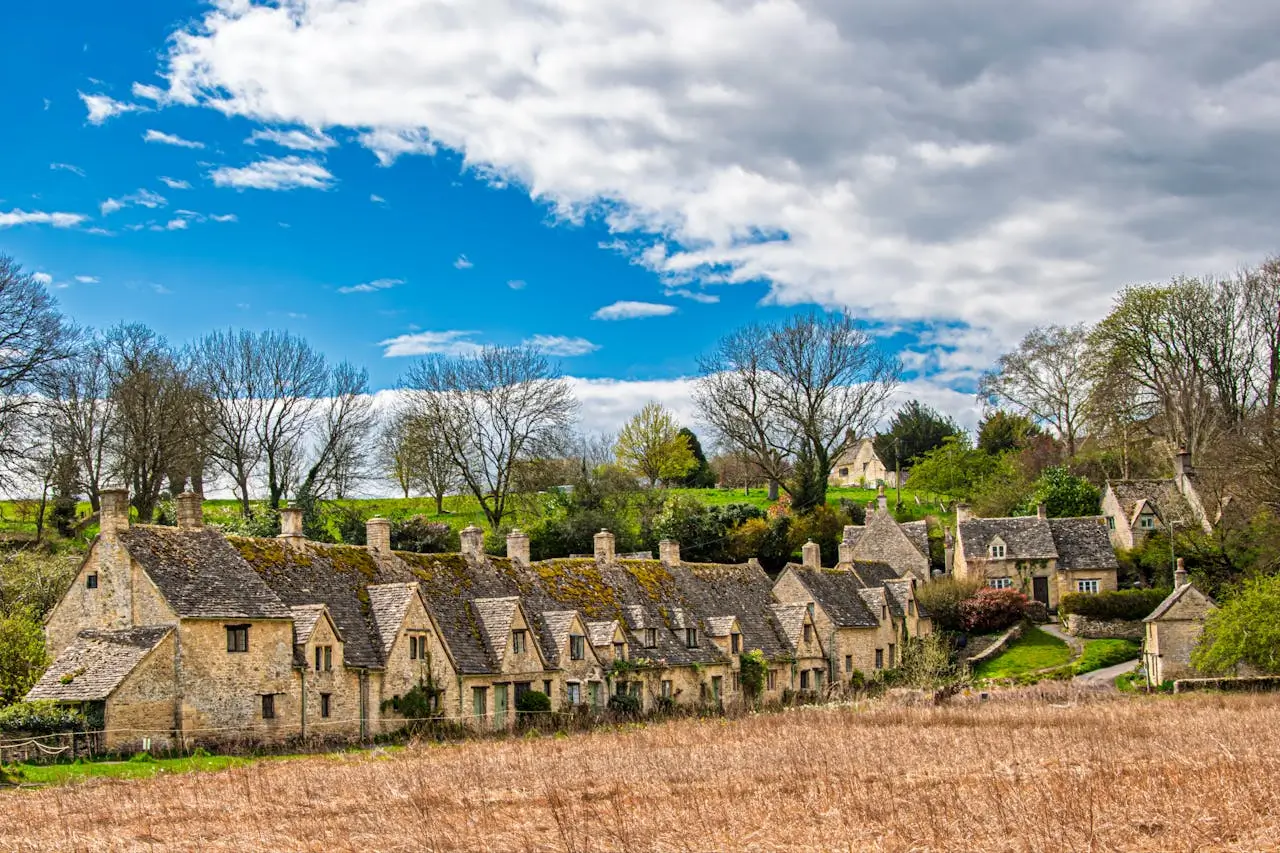
Picture it: London at street level, packed sidewalks, sirens, and a museum line that bends like a river. Now swap that for a quiet Cotswolds lane, where honey-colored stone glows in the morning light and the loudest sound is a church bell in the distance.
If you want the classic England feeling without the constant rush, the Cotswolds delivers. It’s also having a moment. Expedia has flagged the Cotswolds as a top trending UK destination for 2026, driven by a jump in international interest from 2024 to 2025. Better still, it’s not hard to reach, trains from London Paddington to Moreton-in-Marsh often take about 90 minutes.
This isn’t anti-London. It’s about trip vibe. If your dream is calm villages, easy walks, and cozy pubs, start in the Cotswolds and keep London for later.
Why the Cotswolds can beat London for a first time UK trip
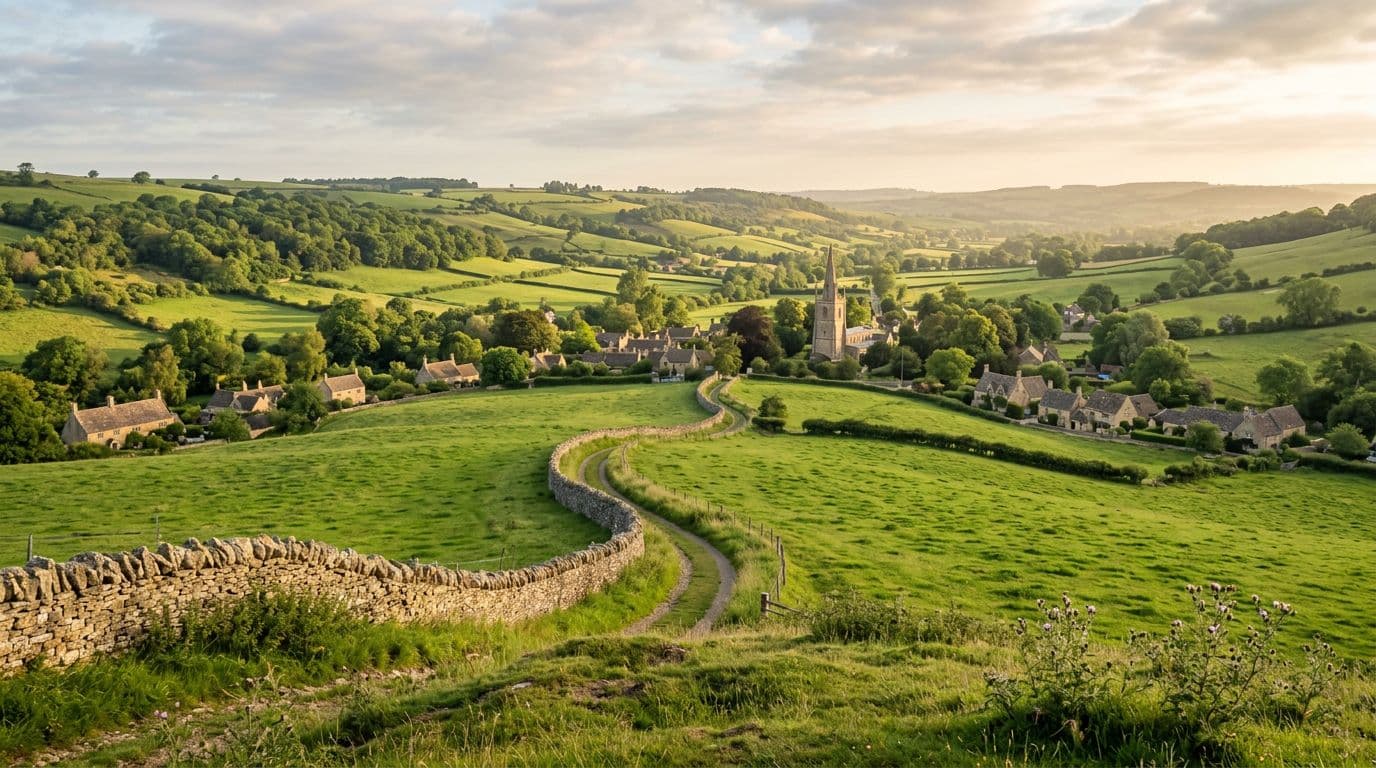
Rolling hills and honey-stone villages in the Cotswolds countryside, created with AI.
London is thrilling, but it can also feel like you’re speed-running your vacation. In the Cotswolds, days stretch out. You can eat breakfast slowly, wander a market town, then settle into a pub garden without checking the clock every five minutes.
The look is a big part of it. The Cotswolds has that storybook England vibe: stone cottages, dry-stone walls, rolling fields, and footpaths that connect villages like old stitching. In London, you’ll see iconic sights, but you’ll also see crowds around them.
Planning is simpler, too. Instead of juggling Tube lines and timed entry tickets, you’re choosing between a riverside stroll and a short hill walk. And because many stops are small, you spend less time waiting and more time actually doing.
Costs can be easier to manage outside the capital, especially once you add up ride-hails, paid attractions, and the temptation to book pricey last-minute meals near major sights. Even train fares can be reasonable if you plan ahead. Current rail info shows advance tickets can start around £7 to £14, while walk-up fares can jump much higher depending on time and availability.
If you still want London, a split trip works well. Do the Cotswolds first to unwind, then finish in the city with fresh energy. For more ideas on historic stops in the region, the local tourism site has a helpful guide to English Heritage sites in the Cotswolds.
It feels like a movie set, but it is real life
Some places look staged, like someone placed every cottage at the perfect angle. The Cotswolds pulls that off while still feeling lived-in. You’ll pass churchyards with leaning headstones, narrow bridges over shallow water, and pubs that look like they’ve been there forever (because many have).
Crowds exist here, especially in famous villages, but timing changes everything. Go early, or visit midweek, and the same streets feel almost private. Even in peak months, quiet moments show up fast if you start your day before 9:00 am.
The best photos usually happen before breakfast crowds, not after lunch.
Getting there is easier than people think
Most travelers assume you need a car. You don’t, at least not for a first trip.
- Train: London Paddington to Moreton-in-Marsh runs mostly direct, often around 1 hour 24 minutes to 2 hours.
- Drive: Around 2 hours, traffic depending.
- Guided tour: A good option if you want village-hopping without parking stress.
For a low-stress base, Moreton-in-Marsh is practical because it’s rail-connected and has local transport options. If you want quieter nights, stay in a smaller village and plan fewer moves.
Hidden gems in the Cotswolds that most London-focused itineraries miss

Photo by Samuel Sweet
Most London-first itineraries treat the Cotswolds like a quick day trip. That usually means the same two or three villages at the busiest hours. The real magic sits just off those main loops.
Think of these places as the B-sides that locals love. They’re quieter, often cheaper to visit, and easier to enjoy at your own pace. Mix one history stop with one nature stop, then pad the day with a pub lunch and a slow walk.
Quiet history without the queues: ruins, Romans, and small museums
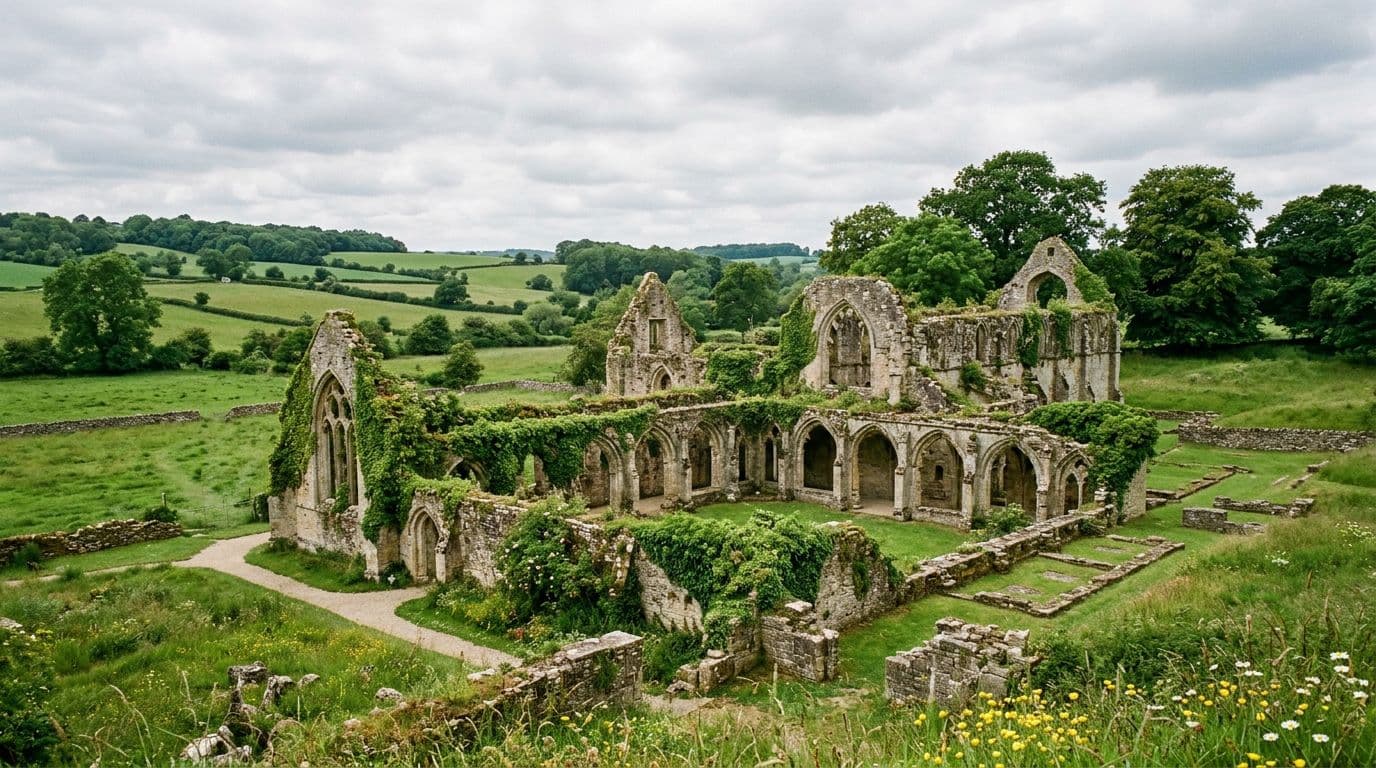
The atmospheric stone ruins of Hailes Abbey in a green countryside setting, created with AI.
Hailes Abbey feels like a secret, even though it’s well-documented. The ruins sit in a peaceful valley, so you can hear wind in the grass instead of tour guides. It’s a perfect stop for history fans and anyone who wants a calm hour outdoors. Check visiting details on the National Trust Hailes Abbey page before you go, since hours can change.
Cirencester Roman Amphitheatre is the kind of place you can miss if you’re not looking for it. There’s no grand entrance scene, just a tucked-away curve of earthworks that hints at the past. It’s best early in the day when the light sits low.
Tetbury Police Museum and courtroom (tiny, personal, and quick) adds texture to a Cotswolds weekend. It works well as a short stop between villages, especially if the weather turns.
Tyndale Monument is for view-chasers who don’t want a full hike. The climb is short, and the payoff feels big on a clear day. Bring a light layer, wind can cut across the hill.
Fairytale nature: ancient yews, secret gardens, and big views
If London is about famous sights, the Cotswolds is about small surprises. Some of the best ones grow out of the ground.
Start with Stow-on-the-Wold’s yew trees near the church, best in misty mornings when the stone looks darker and older. Next, head to Painswick churchyard, known for its yews and the local story about “99 yews.” Legend aside, it’s a peaceful place, and it rewards a slow walk.
For an easy half-day, Painswick Rococo Garden gives you winding paths, playful garden structures, and plenty of spots to pause. It’s great for couples, families, and anyone who wants beauty without a tough walk. If you’re deciding whether it fits your route, the Painswick Rococo Gardens visitor info is a solid starting point.
When you want bigger views, Leckhampton Hill and Devil’s Chimney offers a satisfying walk without feeling remote. Go later in the afternoon for softer light, and pack water.
Finally, Westonbirt Arboretum is a relaxed trails day that still feels special. Autumn color is the headline, but spring greens are lovely, too.
One small note: these places stay magical because people treat them gently. Stay on paths, respect churchyards, and keep voices low near homes and services.
A simple 2 day Cotswolds plan (no car optional)
A weekend here shouldn’t feel like a checklist. Keep your radius tight, then build in time for aimless wandering. Mornings are for photos and quiet lanes. Afternoons suit gardens, abbeys, and longer walks. Evenings belong to a cozy pub and an early night.
Day 1: market towns, honey-stone streets, and a pub lunch
Arrive by train into Moreton-in-Marsh and drop your bag. Take a gentle wander first, then choose one classic nearby town for the afternoon, either Stow-on-the-Wold for antique shops and views, or Bourton-on-the-Water for waterside paths.
If you pick Bourton, add the Model Village as a “hidden in plain sight” stop. It’s quick, charming, and oddly soothing.
Plan a pub lunch, then keep the rest loose. After dinner, take a short sunset walk on the quiet lanes near your stay. The Cotswolds feels best when you’re not rushing to the next thing.
Day 2: one garden or arboretum, plus a quiet history stop
Choose one of these simple combos:
- Painswick Rococo Garden + Painswick yews for a pretty, low-effort day.
- Westonbirt Arboretum + Tetbury for trees, lunch, and a small-town wander.
- Hailes Abbey + a short Cotswold Way segment for a calm history hit and a scenic walk.
If you’re car-free, use local taxis for point-to-point moves, or book one guided day out to connect villages without the parking headache. Either way, don’t overpack the day. Two or three main stops is plenty.
The best part is the space between them: the bends in the road, the sudden views, the quiet you don’t get in Zone 1.
London will still be there. The Cotswolds, though, is where England exhales. Start with a base like Moreton-in-Marsh, pick two or three hidden gems from this list, and aim for early mornings to catch the calm. If you’re planning a UK trip for 2026, a Cotswolds-first weekend can set the tone for the whole journey. Save the itinerary, send it to a travel buddy, and give yourself permission to go slower.
Read More: 7 Days in Italy by Train: Rome, Florence, and Venice Without the Rush