A stolen passport can make you feel trapped, especially if you’re about to fly, check in, or cross a border. Take a breath. You can fix this, but speed matters.
Your goals are simple: cancel the stolen passport fast, replace it the right way, protect yourself from identity theft, and keep your trip moving. The exact steps change a bit depending on whether you’re in the United States or abroad, but the first moves are the same.
One more thing up front: once you report a passport stolen, it’s canceled and can never be used for international travel again, even if you find it later.
First 30 minutes: lock things down and document what happened
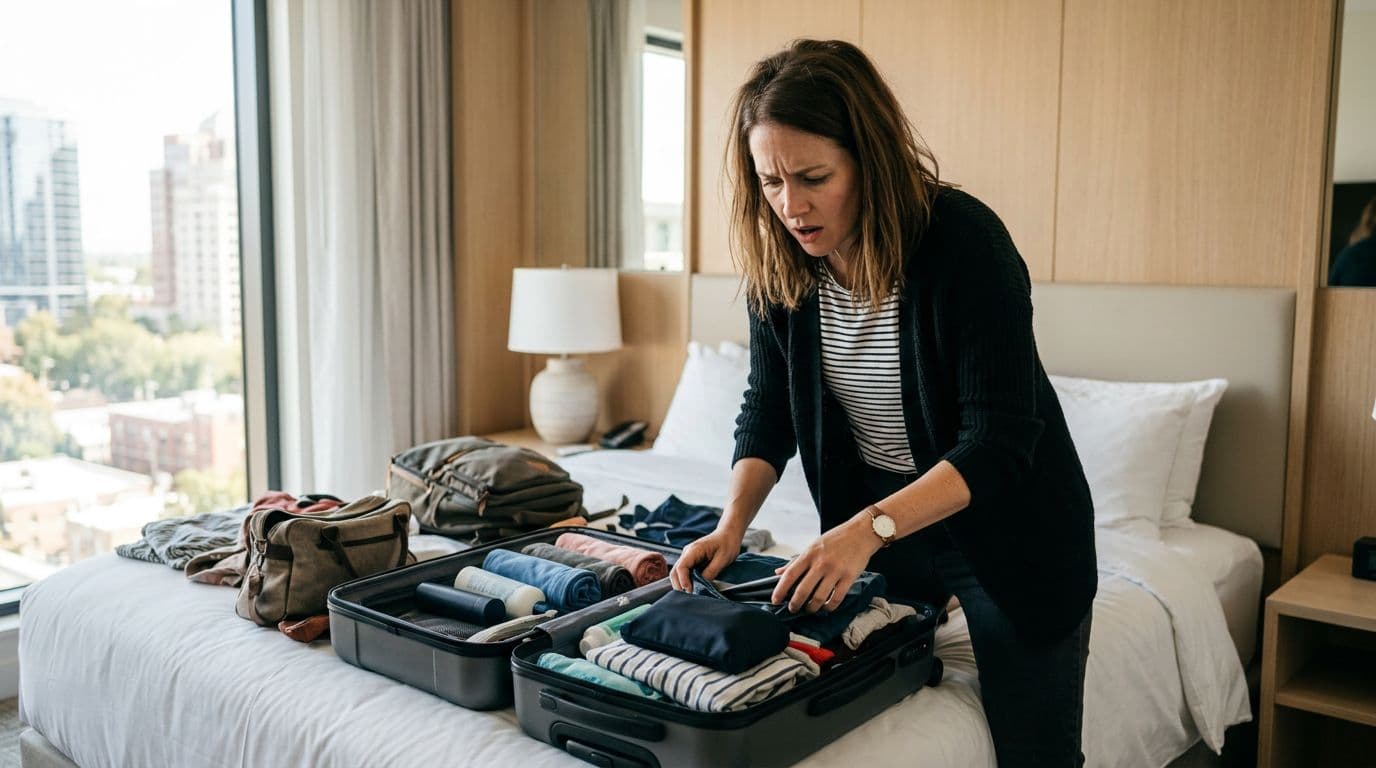
An example of the moment most people realize their passport is gone, created with AI.
In the first half hour, treat this like a small fire in the kitchen. Don’t panic, but don’t “wait and see,” either. The most important action is reporting it to the U.S. State Department so nobody can use it.
Start with these quick moves:
- Freeze the situation: Stop moving locations if you can. Retracing steps works best while your memory is fresh.
- Ask for help on the spot: Tell the hotel front desk, venue security, or transit staff. Ask them to check their lost and found right away.
- Search smart, not frantic: Check the obvious places once, then move on to reporting. Time matters more than a perfect search.
- Write down what you know: A few details now will save you later when you fill out forms.
- Report it immediately: Use the State Department’s lost or stolen passport process to cancel it and reduce fraud risk.
For official guidance and the current reporting options, keep this page open: U.S. State Department instructions for lost or stolen passports.
If your passport is missing and theft is even possible, act as if it’s stolen. Canceling it stops misuse, and you can still replace it.
Confirm it is stolen (not just misplaced) and gather your key details
First, do a fast, calm sweep of likely places. Check every bag pocket, jacket, and packing cube. Look under the bed and inside the room safe. Call the front desk to confirm whether housekeeping turned anything in. If you took a taxi or rideshare, contact the company immediately. Think back to the last shop or restaurant where you handled your wallet.
Next, create one note on your phone and save everything there. Include:
- The date and time you noticed it missing (and the last time you remember having it)
- The location (hotel name, city, country, terminal, tour stop)
- Your passport number and issue date, if you have them
- Your travel itinerary for the next two weeks (flights, trains, border crossings)
- Anything suspicious (a bag left unattended, a forced zipper, a pickpocket bump)
If you have a photo or scan of the passport ID page, keep it handy. If it’s in email or cloud storage, download an offline copy to your phone.
Report it fast: police report plus State Department DS-64 (online, phone, or mail)
File a police report as soon as you reasonably can. In many places, it’s required for insurance or for an embassy appointment. Ask for a copy or case number, then photograph it.
Then report the stolen passport to the U.S. State Department using Form DS-64. You can do that online, by phone (inside the U.S. only), by mail, or in person when you apply for a replacement. The online method is usually the fastest. According to State Department guidance, online reporting cancels the passport in about 1 business day and you’ll get a confirmation email.
If you need the official form, here’s the PDF: Form DS-64 (lost or stolen passport statement). If you’re in the U.S., you can also report by phone at 1-877-487-2778 (TTY 1-888-874-7793).
Once you report it, your passport is invalid forever, even if you find it later. Don’t try to travel on it.
Replace your passport without wasting time (in the US vs abroad)
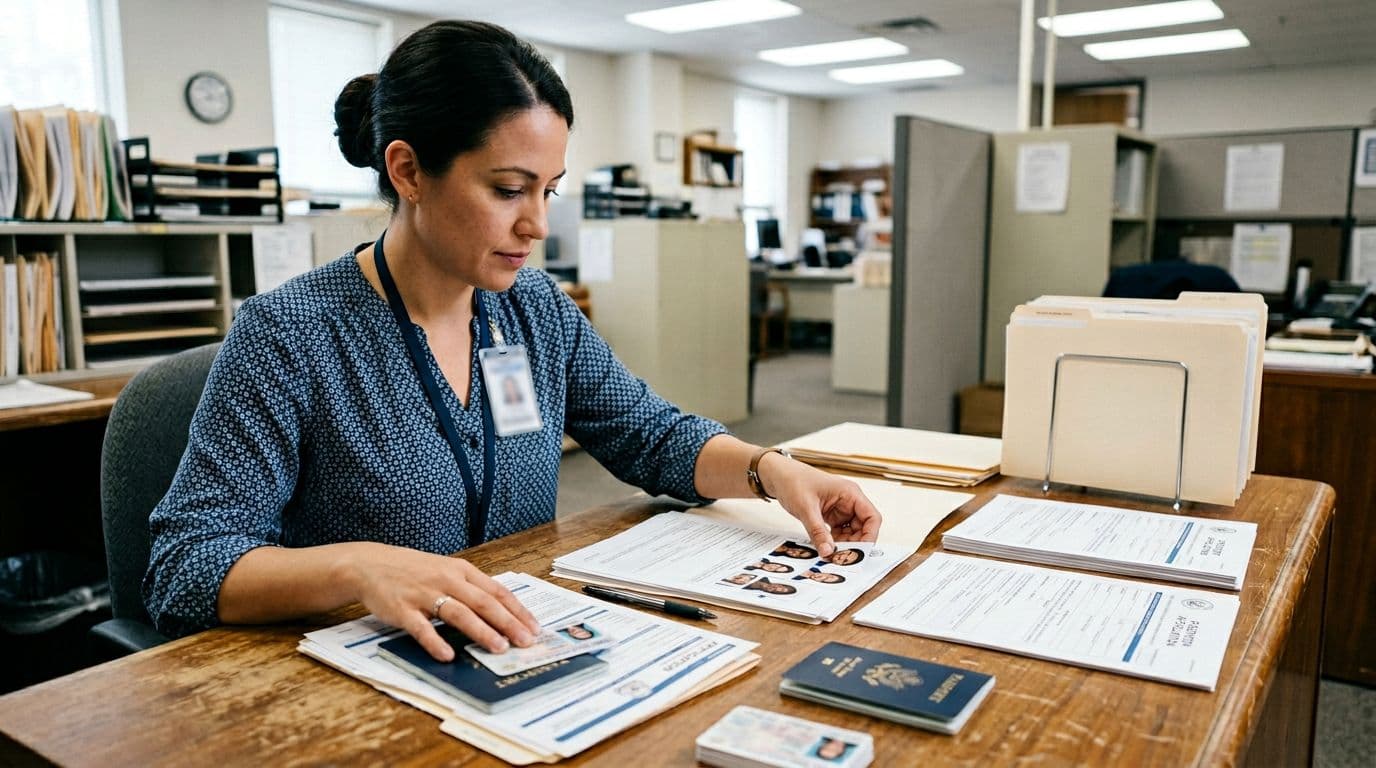
Preparing the right documents early can prevent delays, created with AI.
After you cancel the stolen passport, replacement becomes a paperwork sprint. The path depends on where you are standing today: inside the U.S. or abroad.
Here’s the big picture:
| Situation | Where you apply | What you might get fastest |
|---|---|---|
| In the U.S. | Acceptance facility or passport agency | Expedited service or urgent appointment (if eligible) |
| Abroad | U.S. embassy or consulate | Replacement passport or emergency travel document |
Processing times can change with demand. Recent State Department guidance lists routine service at 4 to 6 weeks and expedited at 2 to 3 weeks, plus mailing time. If you have urgent travel within 14 days, you may qualify for an agency appointment.
For the official list of passport application forms, use: State Department passport forms page.
If you are in the United States: apply in person with DS-11 (and bring the right documents)
A stolen passport can’t be replaced by mail renewal. You’ll apply in person using Form DS-11, along with Form DS-64.
Bring these items, and don’t sign the forms until the acceptance agent tells you to:
- DS-11 completed (unsigned)
- DS-64 completed (unsigned)
- One 2×2 passport photo
- Proof of U.S. citizenship (original or certified copy, not a plain photocopy)
- Photo ID (plus a photocopy of the front and back)
- Police report copy, if you have it
- Travel itinerary, if you have upcoming travel
On DS-11, clearly write where and when the theft happened. If you run out of space, attach one extra sheet with the same details.
You can apply at a passport acceptance facility (often a post office, library, or local clerk office). If you’re close to travel, look into a passport agency appointment, since urgent cases may be handled faster with proof of travel.
If you are abroad: go to the nearest US embassy or consulate (and ask about emergency travel documents)
If you’re overseas, contact the nearest U.S. embassy or consulate as soon as possible. Many locations require an appointment, and security screening can add time.
You’ll typically bring the same core items: DS-11, DS-64, a passport photo, proof of citizenship, and any ID you still have. A police report helps, even if it’s just a case number.
If you haven’t reported the theft yet, report it online first so the passport cancels quickly. For the State Department’s step-by-step guidance abroad, see: lost or stolen passport help overseas.
If you need to leave the country immediately or get home, ask about an emergency travel document (sometimes called a limited-validity emergency passport). Bring any secondary IDs (driver’s license, Global Entry card, photocopies) and arrive early with printed proof of travel.
Protect yourself from identity theft and travel fallout after the theft
Canceling the passport helps, but a thief can still use your personal details for other scams. Think of it like canceling a stolen credit card: the card is dead, but you still watch your accounts.
Reduce the risk of fraud using your passport details
Save your State Department confirmation email, and keep photos of your police report and replacement receipts. Store copies in two places (for example, phone and email) so you’re not stuck if your phone dies.
Next, monitor bank and credit accounts for unusual charges or new accounts. If you suspect your identity is being used, consider a fraud alert or credit monitoring. A stolen passport can be useful for identity theft even after it’s canceled for travel.
Get your trip back on track: airlines, hotels, visas, and entry rules
Call your airline right away if you have near-term travel. Ask what ID they’ll accept for your specific route and whether you should rebook. Then update hotels, tours, and car rentals so reservations don’t get canceled due to ID checks.
If you had a visa in the stolen passport, contact the issuing country’s visa office. Some visas must be replaced or reissued with a new passport number.
Most importantly, don’t attempt to travel on the reported stolen passport. The State Department warns you may be denied entry or even prevented from departing. If you’re traveling to an embassy or passport agency appointment, carry printed copies of your police report and appointment details.
Conclusion
A stolen passport is stressful, but you can regain control quickly. Focus on three priorities: report it (police report plus DS-64), replace it (DS-11 in the U.S. or an embassy/consulate abroad, and ask about emergency documents if you’re stranded), and protect yourself (save confirmations and watch for fraud).
Before your next trip, do a few small things that pay off fast: store your passport securely, carry paper copies separately, use a hotel safe when it makes sense, and keep a digital photo of the ID page in a secure place. If it happens again, you’ll be ready within minutes.