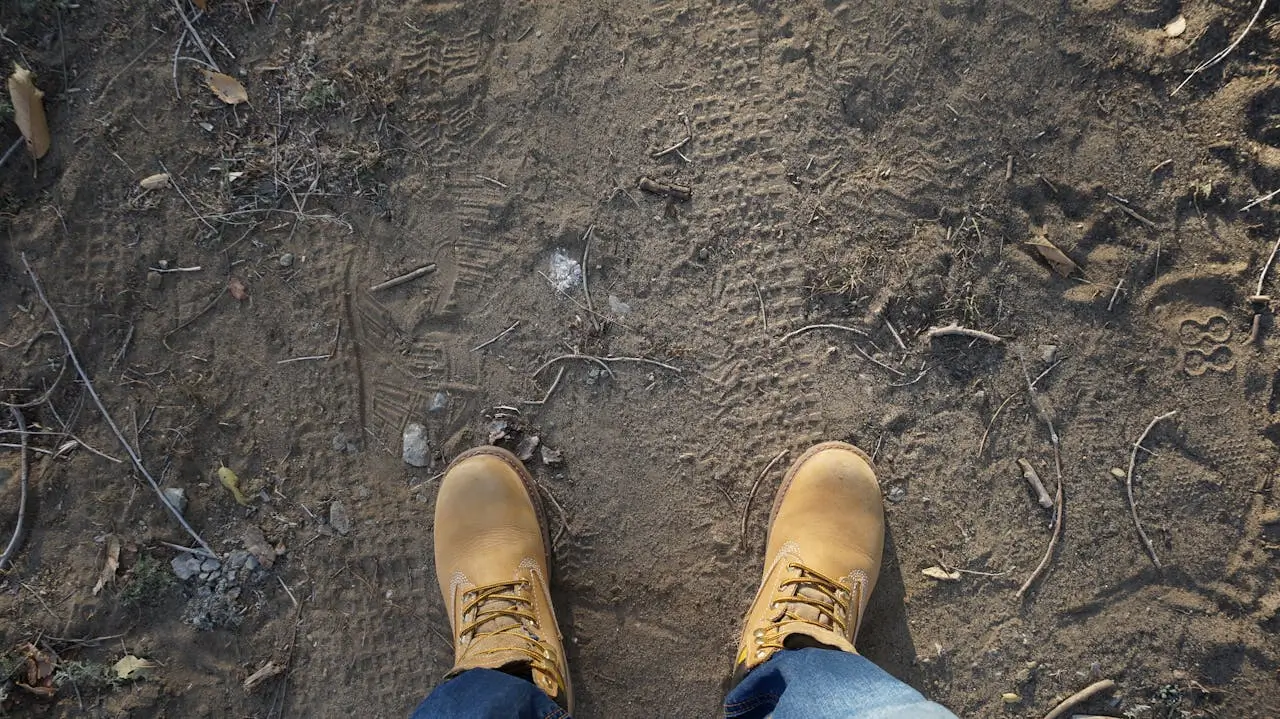
It’s not every day you can hike outside San Antonio and end up staring at 110-million-year-old dinosaur tracks. At Government Canyon State Natural Area, the payoff comes after a rugged walk through rocky Hill Country terrain, where footprints sit preserved in limestone like a paused scene from deep time.
This post will help you plan the trip, know what the trail really feels like, and spot the prints once you arrive, without harming the site. The track area is one of the only known dinosaur track sites on public land in Bexar County, and it’s roped off for protection.
One heads-up for March 2026: the Dinosaur Tracks Trail is in the protected Habitat Area, which typically closes seasonally (March 1 through August 31), so check status before you drive over.
Plan your Government Canyon dinosaur tracks hike before you go
Government Canyon State Natural Area sits on the northwest side of San Antonio, and it feels wild fast. Cell service can be spotty, the trail is exposed in places, and the rocks don’t care if your shoes are new. A little prep makes the day safer and a lot more fun.
Just as important, this hike has a catch: the dinosaur tracks are not on an “anytime” path. The trail to the track site runs through a protected area that can close for habitat protection and for weather. Heavy rain can also shut down access, even when the park itself is open. Because of that, the best plan is to decide on your date, then confirm access again the morning you go.
If the track trail is closed, you can still have a great day here. You just won’t reach the footprints, so check first and save the long hike for when it’s open.
Hours, fees, and the quick rules that trip people up
Start with the basics so you don’t show up to a locked gate.
- Address: 12861 Galm Road, San Antonio, TX 78254
- Open days: Monday and Friday through Sunday (closed Tuesday through Thursday)
- Hours: 7 a.m. to 10 p.m.
- Entry fee: $6 per adult (13+), kids 12 and under are free, and a Texas State Parks Pass works
For day-of updates, call 210-688-9055 or check the Texas Parks and Wildlife pages and the park’s social posts for closures. For a reliable starting point on fees, maps, and park basics, use the official Government Canyon State Natural Area page.
Two rules surprise first-timers. First, pets aren’t allowed on the Dinosaur Tracks Trail, and pets are limited to certain frontcountry trails. Second, the tracks themselves are roped off. That barrier is not optional, even for “just one quick photo.”
What to pack for a rocky, exposed 5 mile round trip
The hike to the tracks is about 5 miles round trip, and it can feel longer because of uneven footing and constant small ups and downs. Pack like you’ll be out longer than planned, because heat and rocky ground slow groups down.
Bring:
- Broken-in hiking shoes (rocky sections can chew up soft soles)
- 2+ liters of water per person (more in hot months)
- Salty snacks (they help when you’re sweating)
- Sunscreen and a hat (shade comes and goes)
- Bug spray (gnats and mosquitoes show up near drainages)
- A small first aid kit (blisters happen)
- A paper map or offline screenshot (don’t count on signal)
Start early if you can. Morning miles feel friendlier, and the rock is less heat-soaked.
How to hike to the dinosaur tracks (and what the trail is really like)
The walk to the dinosaur tracks isn’t technical, but it is demanding. Think of it like walking on a natural cobblestone sidewalk that never got finished. Some stretches are smooth enough to relax, then you hit loose limestone and have to watch every step.
When the Habitat Area is open, you’ll follow signs toward the Dinosaur Tracks Trail. Mile markers and intersections help, but it still pays to look ahead and confirm you’re on the right route before you drift onto another connector.
If you want more background on why this place is protected (water, karst, habitat, history), the interpretive guide to Government Canyon is a good read before you go.
Route basics: where to park, how far it is, and how hard it feels
For the closest start, park in Lots A or B near the Visitor Center. From there, follow posted signs toward the backcountry and the Habitat Area routes that lead to the tracks when open.
The distance is about 2.5 miles one way, so plan for 5 miles round trip. On paper, that’s not huge. Underfoot, it’s a different story. Most people call it hard because the trail stays rocky and uneven, with frequent small climbs and dips that steal your rhythm.
You may also hear people mention the Rock Garden as a landmark or starting point. It’s a common reference in park directions and guided hike notes. Either way, watch for trail signs at junctions, and don’t assume the widest path always points to the tracks.
Trail etiquette and safety on the way out and back
Stay on the marked trail. It protects habitat, and it keeps you from trampling fragile plants in thin soils. It also lowers the chance of stepping into hidden rock gaps where ankles twist.
Loose rock is the big challenge here, so slow down on downhills. Short steps help. Trekking poles can be useful, but they’re optional if you have steady balance and good shoes.
Heat is the other issue. Take breaks in any shade you find, and turn around if someone shows signs of overheating (headache, nausea, dizziness, confusion). Getting to the tracks isn’t worth a medical emergency.
Common hazards exist, even if you never see them up close:
- Rattlesnakes can be active in warm weather, so watch trail edges.
- Poison ivy shows up along greener pockets and is sometimes marked.
- Sun exposure adds up fast on open sections.
For kids, this hike fits best for older children who can handle a steady pace and uneven ground. Adults should set the rhythm early, because sprinting the first mile often backfires later.
If you need accessibility support, ask ahead. ADA accommodations can be requested in advance through TPWD, and staff can tell you what’s realistic for your visit.
Finding the tracks and making the moment count
The track site doesn’t look like a theme-park exhibit. It’s quieter than that. You’ll reach a limestone surface where the prints sit in the same rock layer, and rope barriers keep visitors back. That rope matters because oils from hands, scuffing shoes, and erosion all add up over time.
For current access notes and track-site background, the Friends of Government Canyon dinosaur tracks page is a helpful companion, especially when you’re planning around seasonal closures.
What you will see at the site (and how to spot a footprint shape)
Look for repeated impressions that share size and shape, often in a subtle line. Some prints look three-toed, like a big bird track pressed into stone. Others are broader, more oval, and can feel almost too smooth to be real until your eyes adjust.
A simple trick helps: use angled light. If the sun is high, try shading your eyes and shifting your viewpoint. If it’s safe and allowed, a phone flashlight can create shadows that make edges pop, but stay behind the barrier.
These tracks date to about 110 million years ago, and they’re linked to dinosaurs such as Acrocanthosaurus (a large theropod) and Sauroposeidon (a massive long-necked sauropod).
Photos, respect, and optional guided hikes
Take photos from behind the rope. Skip touching, tracing, or chalking the prints. Even “gentle” contact can damage the surface or encourage others to do worse. Also avoid climbing nearby rock around the site, since erosion spreads out from high-traffic spots.
Guided hikes sometimes happen when the trail is open, and a ranger or volunteer can point out easy-to-miss details. If you want to watch for those dates, check the TPWD “Hike to the Dino Tracks” event listing. You can also self-hike by following the posted signs when access allows.
Once you arrive, plan a short reset. Drink water, eat something salty, and give your legs a minute before heading back into the rocks.
Read More: Southwest National Parks Road Trip
Conclusion
Hiking Government Canyon to see the dinosaur tracks is equal parts workout and time travel. Go on an open day, start early, and expect a tough, rocky 5-mile round trip. Before you leave home, confirm the Dinosaur Tracks Trail status, since the Habitat Area often closes seasonally and weather can change plans fast. When you reach the site, stay behind the ropes so the footprints last for the next hikers. Pack plenty of water, check conditions, and consider a guided hike if you want help spotting the best prints.