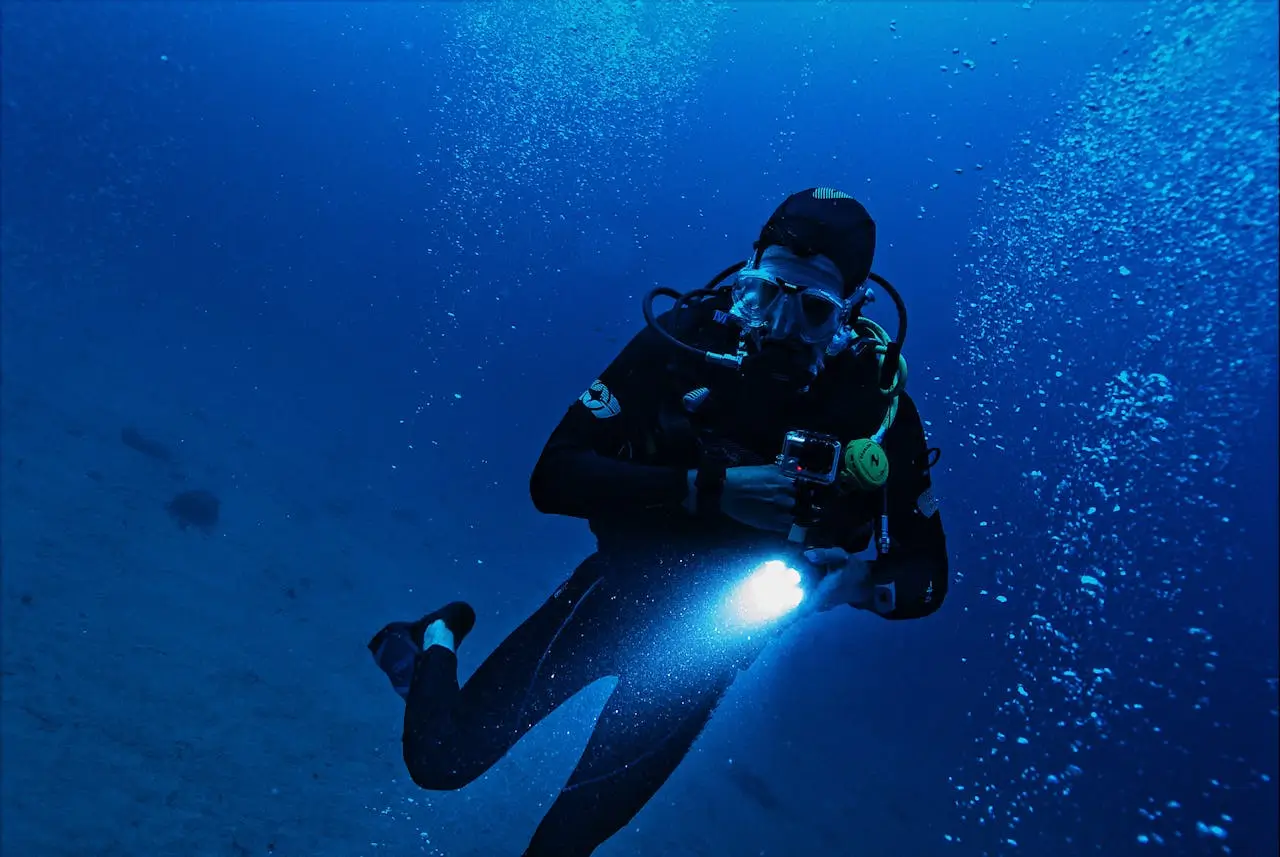
If you’ve ever watched bubbles rise and thought, “I want to do that,” you’re already halfway there. PADI Open Water Diver certification is the most common starting point, and you don’t need to be super fit. You do need to feel comfortable in the water and be willing to practice a few new skills calmly.
Most travelers finish the course in about 3 to 4 days on a trip. If you prefer, you can spread it out at home, then do your open-water checkout dives on vacation.
Location matters more than most beginners expect. Calm water, good visibility, solid instruction, and easy logistics can turn day one nerves into day two confidence. Below is a curated shortlist of beginner-friendly places worldwide, plus a simple way to choose based on budget, season, and travel style.
What makes a destination truly beginner-friendly for PADI Open Water
A good beginner destination feels like learning to drive in an empty parking lot, not on a freeway. Start with conditions. Warm water, low current, and reliable visibility make skills easier because you can focus on breathing and buoyancy, not waves and stress.
Next, look at the training setup. The smoothest courses usually have pool access (or a sheltered confined-water area), shallow sites for early skills, and short boat rides, or easy shore entries. Small groups matter too. You’ll get more time to repeat skills until they feel normal.
Comfort and safety should be obvious, not promised. Easy exits, conservative dive profiles, and realistic site choices are all good signs. Also check what’s nearby on land, like clinics and pharmacies. You probably won’t need them, but it’s nice to know they’re close.
Language can be a hidden factor. Many popular training hubs have English-speaking instructors, which helps when you’re learning new hand signals and safety steps.
Costs in 2026 vary by country and what’s included. In the US, many shops advertise Open Water courses in the mid-hundreds of dollars, and eLearning is often priced separately. Abroad, you’ll see everything from budget packages to resort pricing. Common inclusions are eLearning or classroom time, instructor fees, gear rental, and certification processing. Common extras include marine park fees, tips, photos, private instruction, and transport.
For a quick way to compare operators in one place, browse listings like PADI courses in Thailand, then cross-check reviews and what’s included before you pay.
How to compare dive schools fast (without getting tricked)
A shiny website doesn’t tell you how patient an instructor is. Instead, vet a shop in five quick checks:
- Confirm the shop and instructor show as active in PADI channels, and ask what level of center they are.
- Read recent reviews that mention safety, calm teaching, and problem-solving.
- Ask the student-to-instructor ratio for confined water and open water.
- Get a written list of what’s included, and what costs extra.
- Ask where checkout dives happen and what conditions are typical there.
Copy and paste these questions into email or WhatsApp:
- “What’s your max student-to-instructor ratio for Open Water?”
- “Is eLearning, full gear rental, and certification processing included in your price?”
- “Where do the four open-water dives usually take place, and what currents are typical?”
- “If I need extra time to repeat a skill, how do you handle that, and is there a fee?”
The best beginner shop won’t rush you. If you feel pressured to “pass fast,” pick a different center.
Timing matters, pick the season with the calmest water
Cheap flights don’t help if swell turns your first boat ride into a wrestling match. In many regions, the calmest season lines up with lower wind, not lower prices. Monsoon months or windy periods can bring rougher surface conditions and lower visibility.
As a quick guide, the Maldives often stays calmest from November to April. Koh Tao can be friendlier in mid-year windows, depending on weather. The Red Sea is diveable much of the year, although summer heat can feel intense between dives. When you contact a shop, ask which months have the easiest entries and least chop.
The best places to get PADI certified globally (picked for calm water, value, and great instruction)
These aren’t the only places to learn. They’re a shortlist that tends to treat beginners well, with conditions that don’t stack the deck against you.
Koh Tao, Thailand, easiest on the budget and packed with beginner dive schools
Best for: budget travelers who want lots of course start dates and English instruction.
Typical conditions: warm water, sheltered bays for skills, visibility that’s often good on training sites.
Watch out: it can feel busy, and some areas lean into a party vibe.
Koh Tao works because it’s built around new divers. Many schools run frequent schedules, so you can start without planning your whole trip around one date. Recently, more programs also market try dives and women-focused training groups, which some beginners find more welcoming.
Utila, Honduras, laid-back Caribbean training with great package deals
Best for: travelers who want a small island feel and simple bundles.
Typical conditions: generally calm sites, plenty of beginner-appropriate reefs, and visibility that often supports skill practice.
Watch out: rainy months (often May to November) can bring choppier days.
Utila stays popular because many dive centers package training with lodging. Some shops also list straightforward course pricing online, like Utila Open Water class pricing, which can make budgeting easier. Whale sharks are a seasonal bonus here, not a promise. In 2026, expect some local eco or marine fees in the area; ask where they go and how they’re collected.
Sharm El Sheikh and Hurghada, Egypt, Red Sea clarity that builds confidence fast
Best for: nervous beginners who relax when they can see clearly underwater.
Typical conditions: very clear water on many days, plus house reefs and straightforward shore entries at some sites.
Watch out: summer heat on land, and occasional currents at certain reefs.
The Red Sea can feel easier because you can often see the bottom and your buddy, which reduces that “floating in space” feeling. Still, choose a well-reviewed center and follow briefings closely. Pricing and inclusions can be surprisingly clear too. For example, see Hurghada Open Water course details to understand what an all-inclusive package might look like in practice.
Byron Bay, Australia, a friendly first certification with a fun surf-town base
Best for: travelers who want strong training standards and a social town between sessions.
Typical conditions: beginner-friendly sites on the right days, with varied marine life and a well-developed local dive scene.
Watch out: Australia can cost more overall for lodging and food, even if your course is well run.
Byron Bay is a solid pick if you like structure. You can also compare real inclusions on operator pages, such as Byron Bay PADI Open Water course info, then ask how often conditions change and what their backup plan is if seas pick up.
Maldives (Lhaviyani Atoll, Kuredu), the easiest option if you want resort-level support
Best for: comfort-first travelers who want staff to handle the details.
Typical conditions: shallow lagoons for early training, high visibility, and short transfers once you’re on the island.
Watch out: it’s rarely the cheapest option, and some channels can run current.
Resort diving can remove friction. Gear is ready, boats run on schedule, and it’s easy to rest between sessions. Beginners should ask to do skill work in lagoon sites first, then build up slowly. Mantas can appear in the Maldives, but treat that as a lucky extra. If you’re considering Kuredu specifically, start with the official listing: Kuredu Prodivers dive center listing.
How to choose the right place for you, plus a simple plan for your first dive trip
Picking the “best” destination isn’t about bragging rights. It’s about where you’ll feel steady enough to learn. Budget, flight time, and how you like to travel should lead the decision.
A low-cost hub makes sense if you want flexibility and don’t mind sharing boats. On the other hand, a resort setup can be worth it if you’d rather trade money for simplicity. If you’re anxious in open water, prioritize visibility and easy entries over nightlife or a fancy hotel.
A quick match guide, pick your best fit in 60 seconds
Koh Tao fits lowest cost and flexible schedules. Utila matches a Caribbean vibe with package deals. The Red Sea often suits best visibility for nerves. Byron Bay works for standards plus surf-town energy. The Maldives is for resort comfort and support.
If time is tight, consider doing academics at home first, then finishing referral dives on vacation. That can turn a rushed trip into a calm one.
Beginner checklist for the week before you start the course
- Medical form: complete it early, and get a doctor’s sign-off if needed.
- Insurance: choose travel insurance that explicitly covers scuba diving.
- Mask fit: test in a pool if you can, a leaky mask is a confidence killer.
- Seasickness plan: bring what works for you and take it before the boat.
- Sleep and hydration: tired divers get cold faster and learn slower.
- Reef-safe sunscreen: follow local rules and avoid oily lotions before dives.
- Anxiety script: tell your instructor early, so they can pace you.
Skills matter more than speed. Taking an extra day is normal, and it’s usually money well spent.
Read More: The Best Kayaking Spots in the USA, From the SA River to the Grand Canyon
Conclusion
The best place to get PADI certified is the place where you feel safe and relaxed, because calm students learn faster. Start by shortlisting two or three destinations from the list above, then message dive centers with the copy-and-paste questions. After that, book during the calmest season, even if flights cost a bit more. Pick one destination today and set a realistic timeline to start eLearning this month. Your first great dive trip usually starts with one simple decision.