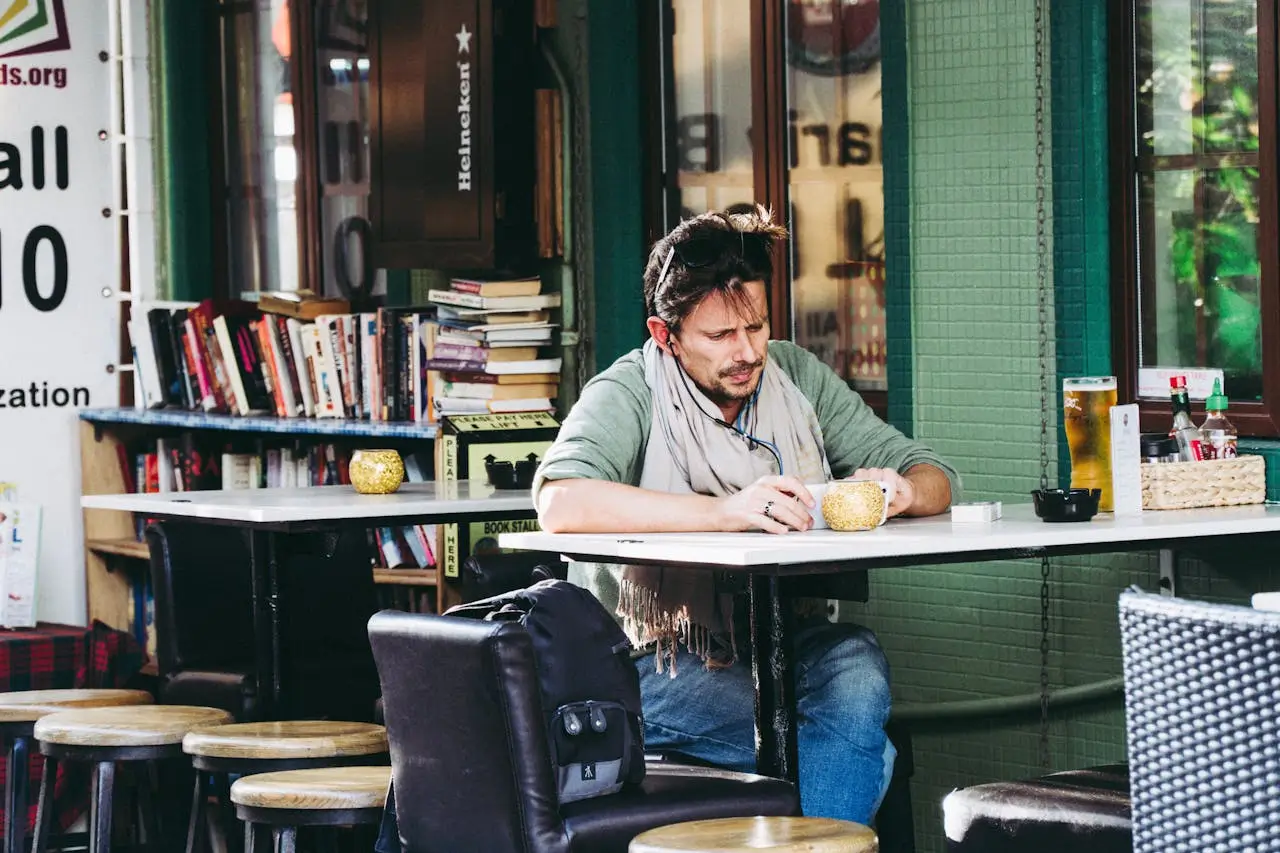
You’re back at the hostel after a long day out, and your wallet’s already tired. Eating out again sounds easy, but it adds up fast. The good news is you don’t need a chef’s knife set or a stocked pantry to eat well.
This guide is built for hostel and Airbnb cooking with basic gear: one pot, one pan, a knife, and a cutting board. You’ll get five reliable meals you can cook in under 30 minutes, plus simple swaps for vegetarian, dairy-free, gluten-free, and whatever the local store actually has today.
Think of these as “mix-and-match” formulas, not rigid recipes. If you can boil water and stir a pan, you’ve got this.
Before you cook: a quick hostel kitchen game plan (so you do not waste time or food)
Shared kitchens are a little like airport security. If you show up unprepared at peak time, you’ll wait, improvise, and forget something important. A quick plan saves money and keeps you from living on snack bars.
Here’s a simple routine that works almost anywhere:
- Do a 60-second kitchen scan: check burners, pans, cutting boards, and whether there’s oil or salt on the “free shelf.”
- Pick meals with overlap: choose recipes that share ingredients (onion, rice, frozen veggies, eggs).
- Cook once, eat twice: aim for leftovers that pack well for tomorrow.
- Label everything: name + date on tape, even if it feels extra.
- Clean as you go: wash the knife and board while food simmers.
If you need more ideas built specifically for tight shared spaces, Lonely Planet’s list of easy hostel kitchen meal ideas is a helpful add-on.
What to buy first: a small set of staples that unlock tons of meals
When you’re shopping tired, decision fatigue is real. Start with a small base that can bend into different cuisines.
Staples that travel well in your bag (and your budget): pasta or rice, eggs, canned beans, canned tomatoes, frozen veggies, onion, garlic (optional), bread or tortillas, cheese or yogurt (optional). For flavor, grab soy sauce, dried Italian herbs, chili flakes, salt, pepper, and a small bottle of oil.
Also, check the hostel “take it or leave it” shelf. You’ll often find half-used spices, mustard, or hot sauce.
A fast way to build meals is the 1 + 1 + 2 rule: 1 protein (eggs, beans, tofu, chicken), 1 carb (rice, pasta, tortillas), and 2 veggies (fresh or frozen). That’s dinner, basically every time.
Shared kitchen basics: food safety, storage, and being a good kitchen neighbor
Wash your hands, then wash produce, even if it looks clean. Keep raw meat away from everything else, and don’t reuse the same cutting board without washing. If you’re unsure about local egg handling, cook eggs fully.
Storage matters in shared fridges. Use a container or zip bag, press out air, and label it. Don’t trust the fridge door for fragile items if people slam it all day.
Timing helps, too. Cook in off-hours when you can, prep veggies first, and choose meals that finish in 30 minutes. You’ll avoid the “two burners, six hungry people” problem.
5 easy meals you can cook in a hostel or Airbnb kitchen (with simple swaps)
These are built for limited tools and unpredictable groceries. Each one works even if the pan is scratched and the only spatula is a spoon.
If you want an even bigger list for inspiration, HI Hostels has a long roundup of easy meals for hostel kitchens that pairs well with the staples strategy above.
One-pan veggie stir-fry rice (the flexible, use-what-you-have dinner)
Why it works: It handles almost any veggie, and it’s forgiving if your timing is off.
Core ingredients: cooked rice (or microwave rice), mixed veggies, soy sauce, oil, optional egg or tofu or chicken.
Time: 20 to 25 minutes.
Steps:
- Cook rice, then spread it on a plate to cool a bit.
- Sauté veggies in oil until hot and tender-crisp.
- Add protein, cook until done (or scramble an egg in the pan).
- Stir in rice, splash soy sauce, season with pepper and chili flakes.
Easy swaps: rice to noodles, soy sauce to teriyaki, add peanuts or a spoon of peanut butter if you find it.
If produce looks sad, buy frozen veggies. They cook fast, waste less, and still taste good.
Pesto pasta with whatever vegetables you find (fast, cheap, and filling)
Why it works: One pot, minimal chopping, and it still feels like a “real” meal.
Core ingredients: pasta, jar pesto, any veggies, optional cheese, optional tuna or chickpeas.
Time: 15 to 20 minutes.
Steps:
- Boil pasta in salted water.
- Toss chopped veggies in during the last 2 to 4 minutes (or warm frozen ones).
- Drain, then mix pesto into hot pasta.
- Add cheese, tuna, or chickpeas for extra staying power.
Easy swaps: pesto to tomato sauce, pasta to gluten-free pasta, add lemon juice or zest if you have it.
15-minute egg fried rice (best for leftovers and late arrivals)
Why it works: It’s quick, uses leftovers, and doesn’t need many fresh items.
Core ingredients: leftover rice (best), eggs, frozen peas/carrots, soy sauce, oil.
Time: about 15 minutes.
Steps:
- Heat oil, scramble eggs, then push to one side.
- Add veggies, cook until hot.
- Add rice, break up clumps, then stir everything together.
- Season with soy sauce, salt, and chili flakes, then taste and adjust.
Easy swaps: egg to tofu scramble, add kimchi or salsa if someone left it behind, stir in beans for higher protein. Fresh rice works, too, just cool it a bit first.
Sheet-pan style nachos (or skillet nachos) for a group night in
Why it works: It feeds multiple people with almost no cooking skill required.
Core ingredients: tortilla chips, canned beans, salsa, cheese, optional yogurt.
Time: 10 to 15 minutes.
Steps:
- Layer chips, beans, salsa, and cheese.
- Heat until cheese melts (oven if available, or cover a skillet on low).
- Top with yogurt, chopped onion, or any leftover veg.
Easy swaps: add leftover stir-fry veggies, make it vegan with extra beans and avocado, serve with a side salad to balance the meal.
Shakshuka-style eggs in tomato sauce (one pan, breakfast or dinner)
Why it works: Canned tomatoes taste the same everywhere, and bread makes it filling.
Core ingredients: canned crushed tomatoes, onion/garlic (optional), eggs, salt, pepper, chili flakes, bread or tortillas.
Time: 20 to 25 minutes.
Steps:
- Sauté onion and garlic if you have them.
- Pour in tomatoes, season, and simmer 5 to 8 minutes.
- Make small wells, crack eggs in, then cover.
- Cook until whites set, then scoop with bread.
Easy swaps: add chickpeas for more protein, wilt in spinach, use tortillas instead of bread. If there’s an oven, you can bake it, but stovetop works fine.
Stretch your groceries and keep cleanup easy for the next travel day
The cheapest travel meals aren’t just low-cost, they’re low-waste. Plan for leftovers that can switch formats, because eating the same bowl three times gets old.
Recent USDA outlooks in early 2026 pointed to overall grocery prices still rising (around the low single digits), while egg prices have eased compared to last year. Meanwhile, canned goods can feel pricey in some places, so use them wisely and finish what you open.
For more budget-focused meal ideas that still feel varied, Pretty Wild World’s guide to cheap hostel meals to make fast is a solid reference.
Leftover moves: turn one dinner into tomorrow’s lunch
Fold fried rice into a tortilla for a quick wrap. Turn pesto pasta into pasta salad with a splash of oil. Use leftover shakshuka sauce as pasta sauce. Build a rice bowl with stir-fry leftovers and yogurt. Save nacho toppings, then melt them into a quesadilla.
Store food in labeled containers, and place them deeper in the fridge so they don’t fall out of the door.
Budget and waste tips that work anywhere
Shop near closing for marked-down bread or produce. Buy frozen veggies when fresh looks expensive. Choose canned beans and tomatoes for easy proteins and sauces. Split staples with roommates, especially oil and spices. Finally, carry a tiny spice kit (salt, pepper, chili flakes) so bland food doesn’t win.
Conclusion
Cooking on the road doesn’t need to be complicated. With a few staples and five reliable meals, you can eat well in a hostel or Airbnb kitchen with minimal tools and easy swaps. Better still, you’ll spend less, waste less, and wake up with leftovers ready to go.
Try one recipe tonight, then mix and match the staples all week. Save this list, and share it with a travel buddy who’s tired of paying $18 for a basic plate of pasta. Your future self will thank you on the next travel day.
Read More: Saving for Your Dream Trip: A Practical 6-Month Plan for Global Explorers