Want a Thailand trip that feels like a story with a clear beginning and a satisfying ending? This Bangkok to Phuket island-hopping route keeps you moving forward, with no awkward backtracking. You’ll start with big-city energy in Bangkok, then cool off on the Gulf islands (Koh Samui, Koh Phangan, Koh Tao), cross to the Andaman side (Krabi and the Phi Phi Islands), and finish in Phuket for an easy flight out.
This plan works best for first-timers, beach lovers, snorkelers, and anyone who wants a mix of calm days and a few adrenaline spikes. March is warm (often around 79 to 90°F) and it’s near the end of peak season, so rooms and boats still book fast. Lock in key transfers early, and keep your daily plans flexible for the sea.
The 14-day Bangkok to Phuket itinerary, day by day, with what to do on each stop
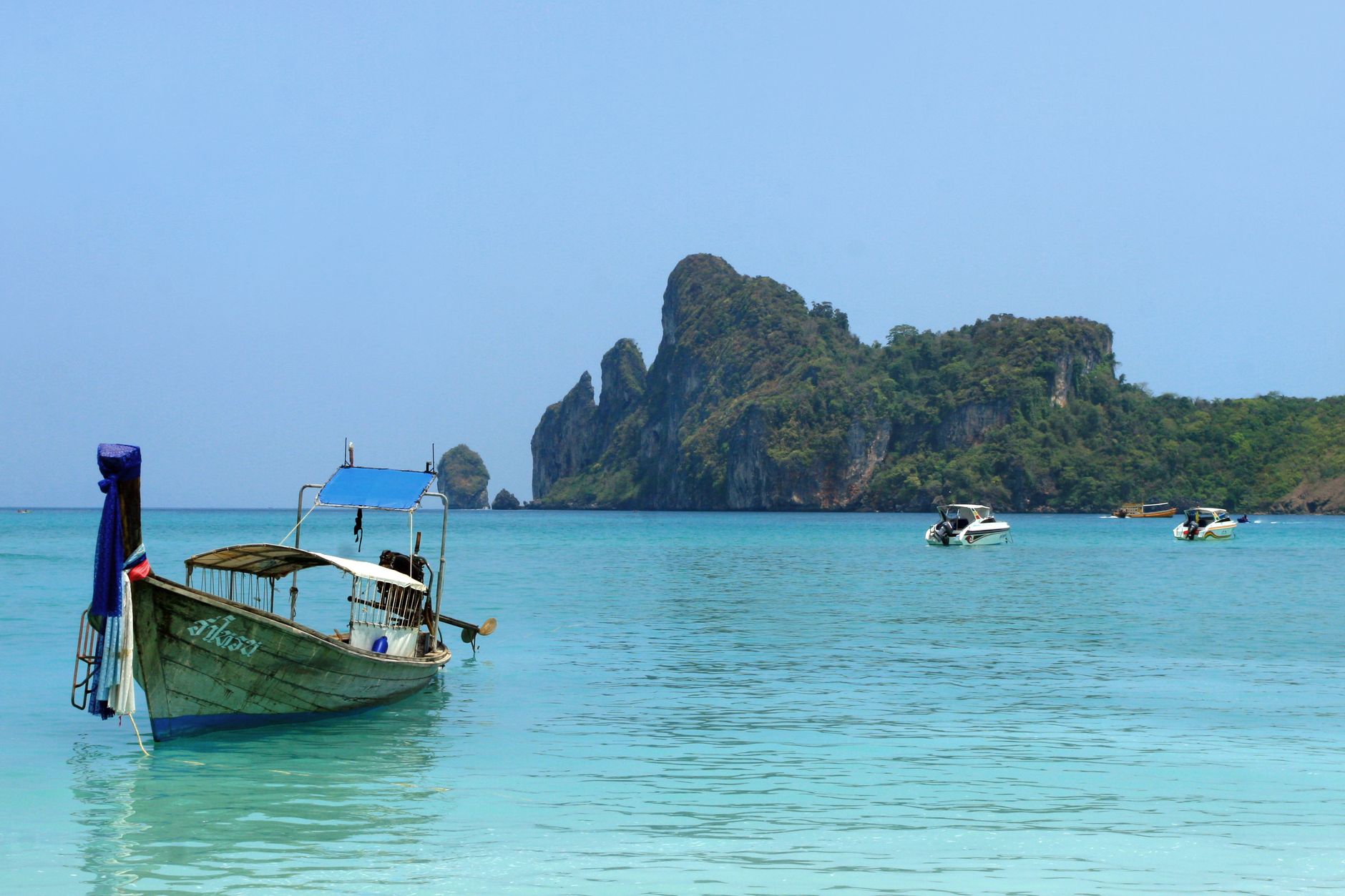
Photo by Jeffry Surianto
Bangkok (Days 1 to 2), arrive, reset, and see the highlights without burning out
Bangkok hits like a wall of sound and smells in the best way. Give yourself two nights so you don’t spend your whole trip tired.
Days 1 to 2 plan
- Must-do: Pair Wat Pho (Reclining Buddha) with Wat Arun across the river.
- Optional: Take a low-effort ride on the Chao Phraya River (public boats are simple and scenic).
- Food plan: One street-food night, then one sit-down Thai meal to slow down and cool off.
- Jet lag tip: Hydrate, shower, eat, then take an early night. Wake up with the city.
Gulf islands (Days 3 to 8), Samui to Phangan to Tao for beaches, viewpoints, and snorkeling
The Gulf islands are like a three-part playlist. Samui feels polished, Phangan can be quiet and wild, and Tao is all about the water. Keep luggage light because ferry days get sweaty and crowded.
Days 3 to 4: Koh Samui
- Base: Choose one beach zone and stay put (for example, lively areas for dining, calmer areas for sleep).
- Must-do: Sunset viewpoint and beach swim to reset your body clock.
- Optional: A spa afternoon or a low-key waterfall visit if the heat’s intense.
Days 5 to 6: Koh Phangan
- Must-do: Pick a quieter beach day (Bottle Beach is a classic idea if conditions and access make sense).
- Optional: If your dates line up, you can consider nightlife, but don’t plan around the Full Moon Party unless you’ve confirmed the schedule.
Days 7 to 8: Koh Tao
- Must-do: Snorkel day, especially if underwater visibility is good in March.
- Optional: Take a day trip to Koh Nang Yuan for the sandbar views and clear water.
March is still busy. Book your Samui, Phangan, and Tao stays early, especially weekends, then choose tours once you see the weather.
For extra context on how these island groups fit together (and what each one is best for), skim this Thailand island-hopping guide for 2026.
Days 9 to 10: Krabi (Ao Nang, Railay, nearby islands)
- Must-do: Railay Beach for limestone cliffs and that postcard water color.
- Optional: A Four Islands style boat day for short swims and beach stops (go early if you prefer calmer seas).
Days 11 to 12: Phi Phi Islands
- Must-do: Snorkel straight from a boat trip, then enjoy the views back on land.
- Optional: Maya Bay rules can change (timed entry, closures, limits). If access is allowed, treat it as a quick photo stop. If it’s restricted, ask about alternatives like Bamboo Island or quieter coves.
Days 13 to 14: Phuket
- Must-do: Choose your beach vibe and commit for two nights.
- Optional: Last-day easy win, a beach morning, a long lunch, and a sunset viewpoint before packing.
How to move between islands without stress, ferries, flights, and simple booking rules
Think of transport in layers. First, you cover distance (Bangkok to the south). Next, you hop by ferry between close islands. Then, you cross coasts using a combined boat and bus transfer, or a short flight if you want to save energy.
March travel is usually smooth, but real conditions change. Southern Thailand can see bursts of rain and choppier water at times, so plan buffer hours on transfer days. Also double-check pier names, because islands often have multiple departure points.
To compare operators and get a sense of what routes exist, start with a directory like Thailand ferry routes and schedules, then book directly or through a reputable agent once you’ve confirmed times.
Bangkok to Koh Samui, choosing between speed and budget
A simple rule helps: with only 14 days, pay for speed at least once.
- Fly: Fastest and easiest. You land and start the beach part the same day.
- Overnight train plus ferry: Slower, but it can feel like a travel experience instead of a chore.
- Bus plus ferry: Often the cheapest, also the longest, and you arrive more worn out.
Krabi to Phi Phi to Phuket, the easiest way to finish the route
The common flow is Krabi to Phi Phi by boat, then Phi Phi to Phuket by ferry. If you want a backup plan, keep this in mind: Krabi to Phuket can be done directly by ferry (often about 1.5 to 2.5 hours) or by bus (often about 3 hours). Seas decide the mood, so stay flexible.
Smart planning tips that save money, protect your time, and keep the trip enjoyable
Book your “anchors” first: Bangkok arrival hotel, Bangkok to Samui transport, and your first Gulf island stay. After that, avoid stacking tours every day. Island hopping feels better with open space, like leaving rests between workouts.
Boat safety is simple. Choose reputable operators, listen to staff, and skip trips when conditions feel off. Also carry cash for small beach spots and taxis, because card readers aren’t everywhere.
Before you fly, confirm current entry steps. As of recent guidance, US travelers typically enter visa-free for short tourism stays, but you may need to complete Thailand’s Digital Arrival Card close to arrival, and your passport should have enough validity.
Treat coral like glass. Don’t stand on reefs, don’t touch sea life, and follow national park rules even when others ignore them.
Where to base yourself on each stop so you waste less time commuting
Samui has many pockets, so choose based on your vibe (quiet beach, central dining, or nightlife). Phangan and Tao can feel spread out, so staying near your planned beach saves real hours. In Krabi, Ao Nang makes tours easy, while Railay works best as a special side stay. In Phuket, Patong suits nightlife, Kata and Karon fit classic beach trips, and Kamala leans quieter.
A realistic packing list for ferries, beach days, and snorkeling trips
Pack like you’re changing hotels a lot, because you are. For a deeper, practical checklist, use this Thailand packing list updated for 2026 and tailor it to your style.
Bring reef-safe sunscreen, motion sickness meds if you’re prone, a small dry bag, wet-friendly sandals, and a power bank. Add copies of your passport and a basic first-aid kit, and you’re set.
Conclusion
This Bangkok to Phuket route gives you city culture first, then Gulf island calm, then Andaman drama, all in 14 days. The secret is simple: don’t overplan. Book your first big transfer, reserve March hotels in popular areas, then decide on tours once you’ve watched the wind and waves for a day.
Want to make it your own? Add a rest day, trade Phi Phi for more Krabi time, or stay longer on Koh Tao if diving is your priority, and keep the same point-to-point flow.