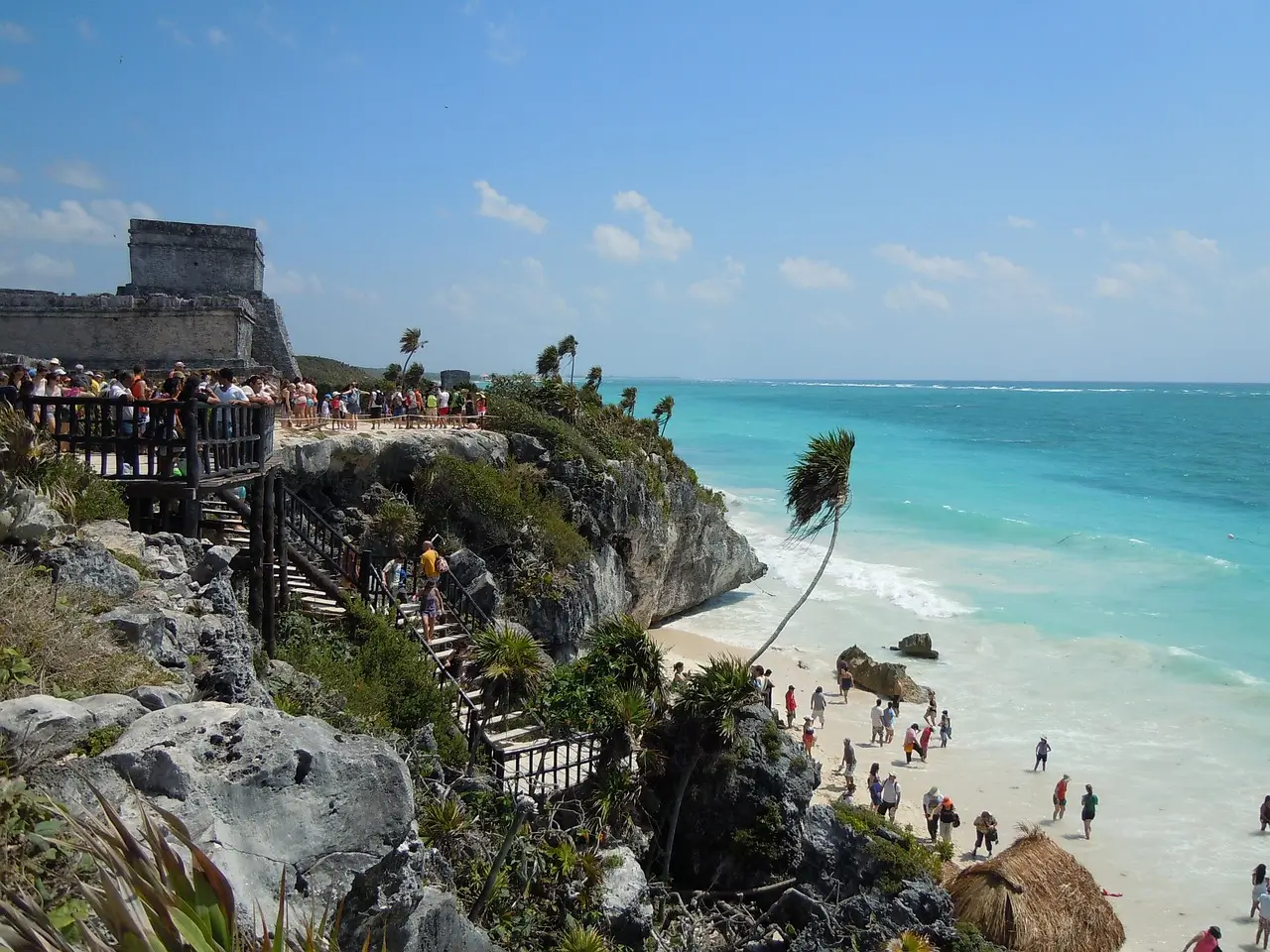
If your Riviera Maya trip is starting to feel like the same loop, beach club, buffet, repeat, you’re not alone. Tulum and Playa del Carmen make it easy to stay put, because everything you need is right there. But the best memories often happen once you step outside the resort bubble.
This guide focuses on moving beyond the resorts with a simple plan you can mix and match: one water day (cenote or lagoon), one protected nature day, and one culture day (ruins or a small town). Most ideas work as half-day or full-day trips from Tulum or Playa, and they fit real life travel styles, families included.
March is hot and busy, especially around Spring Break, so start early, keep plans flexible, and travel with respect for nature and local communities.
Wild water and jungle days: cenotes, lagoons, and nature that feel untouched
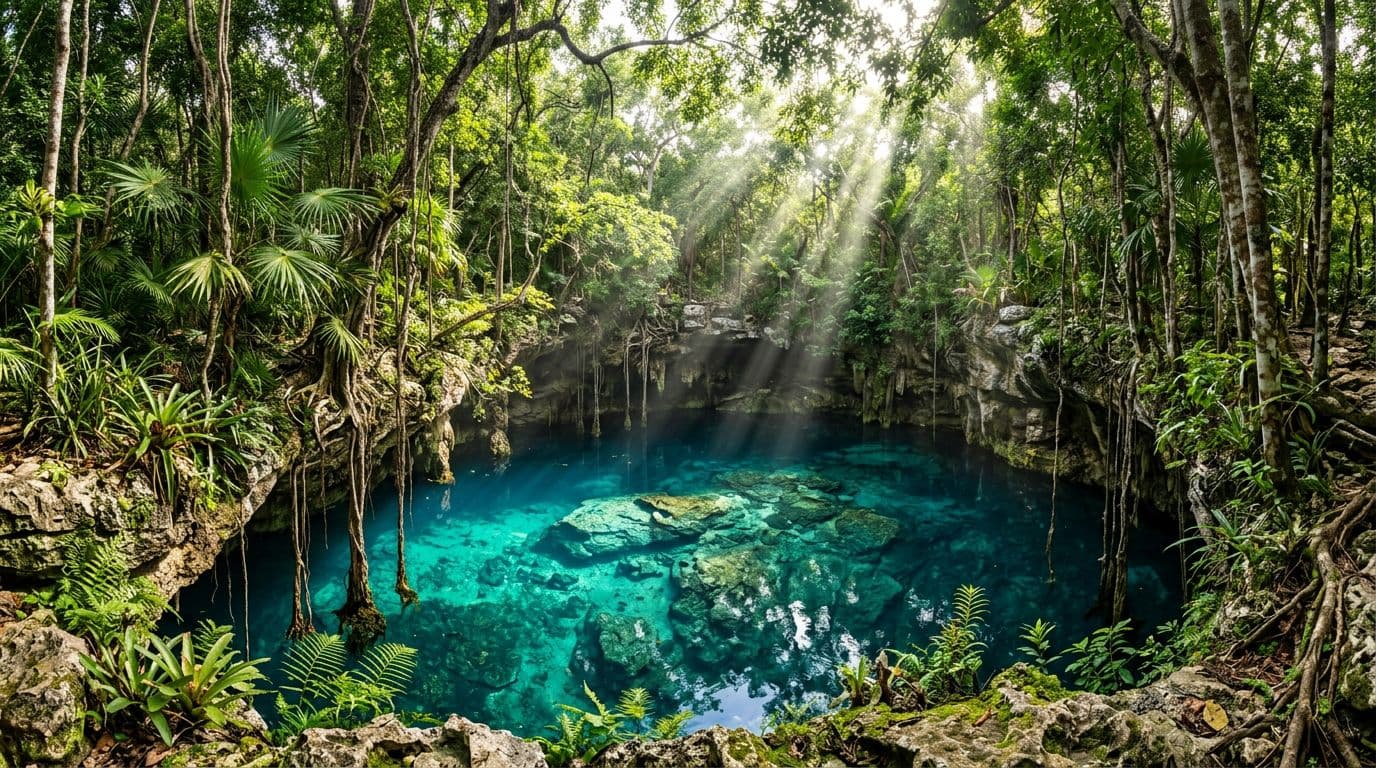 Sunlight cutting into a jungle cenote, the kind of quiet swim that makes the Riviera Maya feel wild again, created with AI.
Cenotes and lagoons are the Riviera Maya’s “back door.” You trade salt spray for cool freshwater, and beach noise for dripping jungle. The trick is choosing the right spot for your day, because each one has its own mood.
Here’s a quick choose-your-own-adventure approach:
- Want an easy swim day? Pick an open-air cenote with clear water and simple entry.
- Traveling with kids or mixed swimmers? Look for life-jacket rules and calm, shallow edges.
- Chasing photos? Go for light shafts, cavern openings, and early sun.
- Need a reset? Choose a lagoon or mangrove route where the water is calm and the pace is slow.
Timing matters more than people expect. In March, aim to arrive by 7:30 to 9:00 AM to beat heat and crowds. Bring small bills for entry, parking, and lockers. Pack water shoes, a dry bag, bug spray, and more drinking water than you think you’ll need.
Eco rules are simple, but they’re not optional. Skip sunscreen in cenotes (even “natural” versions). On the coast, use reef-safe sunscreen and re-apply away from the water. Also, don’t touch stalactites or formations, because oils on your hands can slow their growth.
Quiet cenotes worth the drive (and how to enjoy them responsibly)
If you’re willing to drive a bit, you can still find cenotes that feel personal.
Cenote Siete Bocas stands out for its multiple openings, dramatic light, and a more adventurous feel with ladders and jumps. Use a reliable overview like this Cenote Siete Bocas guide before you go, because transport and services can be limited.
Cenote Saamal (near Cobá) feels lush and calm, with jungle all around and a deep, cool swim that’s great at midday.
Cenote Azul is open-air and bright, with clear water and easy access off Highway 307, which makes it a strong choice when you want a simple half-day from Playa del Carmen.
A few practical habits keep these places special: arrive before 9:00 AM, bring snacks for more remote cenotes, and keep hands off formations and fragile edges. If it looks like stone, it’s still alive in a slow way.
Sian Ka’an Biosphere and its lagoons, a calmer side of the Caribbean
South of Tulum, the Sian Ka’an Biosphere Reserve is where the Riviera Maya turns quieter. It’s a UNESCO-listed protected area with mangroves, lagoons, and wildlife, plus water routes that feel far from the hotel zone.
Most visitors choose one of three experiences: a boat trip toward Punta Allen, a lagoon paddle (Chunyaxché is a common starting point), or a canal-style ride near Muyil. Some tours add a snorkel stop, but set expectations. Rules are strict in protected waters, and guides may adjust plans based on weather and conservation limits. If you want a sense of what typical outings look like, browse a local operator overview such as Sian Ka’an tour options.
A few safety basics help here. Go with a guide in protected areas, because navigation and rules can change. Watch currents when you’re near open water. Also, skip night swims, even if the idea sounds tempting after a hot day.
In Sian Ka’an, the best souvenir is leaving no trace. Bring re-usable water, take trash out, and follow the guide’s “no touch” rules.
History without the biggest crowds: Maya ruins and culture you can still feel
Beach time is easy to plan. A ruins day takes a little more intention, yet it often becomes the story you tell later. The Riviera Maya sits beside living Maya culture, so the goal isn’t just to “see pyramids.” It’s to slow down enough to notice what survives.
Chichén Itzá gets the headlines, and Tulum’s cliffside ruins get the photos. For a different feel, pick a site where jungle sound is part of the experience. Then pair it with a cenote or a community-led stop, so your day doesn’t turn into a single crowded checkpoint.
March heat is real. Start at opening time when possible, and bring a serious water plan. Sun protection helps, but shade is limited at many sites. Cash also matters for parking, small entrances, and local guides.
Ek Balam and Cobá: two very different ruins days
Ek Balam rewards you if you like carved detail and strong storytelling. A guide makes a difference here, because the sculptures and symbols have more impact when someone explains what you’re seeing. Plan it as a full day from Playa del Carmen (or a long day from Tulum) and add a nearby cenote after lunch for a cool finish.
Cobá feels like a ruins day wrapped in jungle. The paths are long and green, so renting a bike or hiring a tricycle taxi can save time and energy. Pair Cobá with Cenote Saamal, or another nearby swim, and you’ve got a day that mixes heat, shade, and water in a way that just works.
For both: bring water, a hat, and comfortable shoes. Then keep a little buffer time, because traffic and tour timing can shift during Spring Break weeks.
Punta Laguna and community-led stops that support locals
Punta Laguna is an easy add-on near Cobá when you want nature plus culture in one stop. The area is known for a spider monkey habitat, a quiet lagoon, and small-group activities that can include a canoe ride or short forest walk.
Choosing a tour is less about the sales pitch and more about your questions. Ask if group sizes are capped. Ask where the money goes. Keep distance from wildlife, and don’t feed animals, even if someone else tries. Quiet voices and slow movements go further than any camera setting.
Small-town Riviera Maya: where to eat well, slow down, and spend less
After cenotes and ruins, a small town day feels like switching from a loud playlist to acoustic music. You still get great food and warm weather, but your money stretches more, and the pace changes.
Transportation can stay simple. From Playa del Carmen, you can base in town and take day trips by rental car, colectivos, or bus. From Tulum, many of the same trips work, but start earlier because drive times add up. For longer hops, ADO buses are a straightforward option, especially if you don’t want to drive at night.
The “avoid tourist traps” move isn’t a dramatic one. It’s just choosing places where locals are also eating, shopping, and sitting in the main square.
Puerto Morelos for low-key beach time and seafood that tastes like the coast
Puerto Morelos sits between Cancún and Playa, yet it keeps a fishing-town feel. You’ll find a walkable town square, small shops, and the famous leaning lighthouse near the beach.
Give yourself two or three hours and keep it simple: stroll, grab ceviche or fish tacos, then linger with a cold drink in the shade. If you want ideas for a calm visit, this Puerto Morelos travel guide gives a helpful sense of what the town feels like.
Shopping tip: buy small and local, like hot sauce, honey, or simple crafts, and skip anything that looks mass-produced.
Valladolid as an easy day trip when you want color, shade, and Yucatán food
Valladolid is the antidote to nonstop beach glare. Streets are colorful, sidewalks bring more shade, and the town is built for wandering at an unhurried pace.
Start near the main church, loop through the central streets, then take a break with something Yucatán-style. Look for simple regional dishes like cochinita pibil and sopa de lima, often best in family-run spots with short menus.
If you have extra time, add a nearby cenote for a quick swim. Getting there can be straightforward by ADO bus, which helps if you’d rather watch the road than drive it.
Conclusion
Getting beyond the resort loop in the Riviera Maya doesn’t require extreme planning. Use a simple three-part formula: one cenote day, one nature reserve day (like Sian Ka’an), and one town or ruins day. Suddenly, your trip has texture, not just tan lines.
Start early in March, especially during Spring Break weeks, and keep safety basics in mind when moving between towns. Then make it easy on yourself: pick one outing to book with a guide (Sian Ka’an is a good candidate), and choose one day to do self-guided (like Puerto Morelos or a cenote morning).
Above all, travel like you’re a guest in someone else’s backyard, because you are. Which day will you plan first: water, history, or small-town food?
Read More: How to Find Maldives Local Islands Under $100 a Night