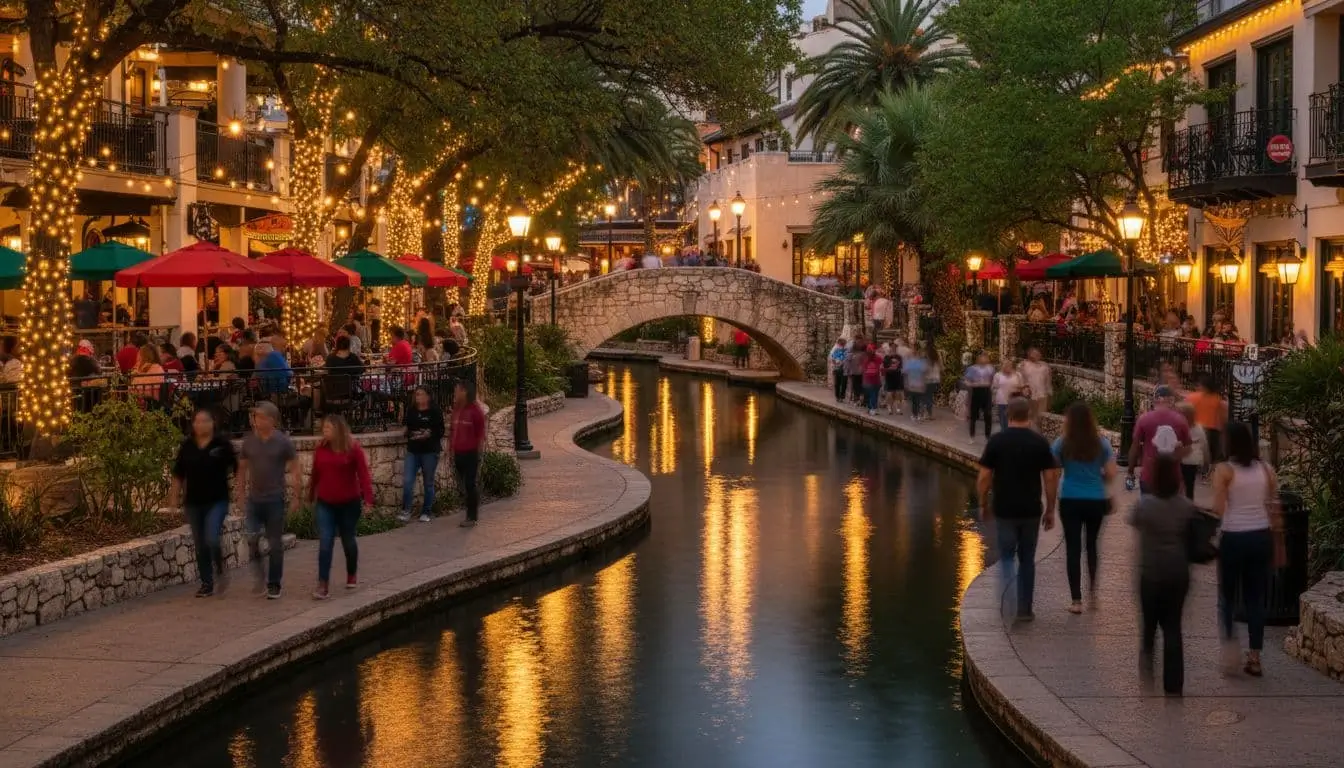
San Antonio is like any big city, most trips are trouble-free, but where you stay and how you move around matters. The good news is that tourists stick to a handful of neighborhoods, and those areas are easy to plan for.
This guide focuses on the places visitors actually use, the River Walk, The Pearl, King William, Alamo Heights, and Stone Oak, plus a few nearby northside favorites. You’ll also get simple, street-smart habits that cut down on the most common problems like petty theft and car break-ins.
Expect clear picks for where to book a hotel, where you can comfortably go out at night, and which areas are better as drive-throughs unless you’re with locals.
Where tourists feel safest staying in San Antonio (best neighborhoods and why)
“Safe” in a city usually looks like this: good lighting, steady foot traffic, easy rideshares, and a hotel or rental that isn’t isolated. In 2026, locals still point visitors toward the same clusters because they’re well-traveled and predictable.
If you want a quick cross-check, compare your trip style to these common bases. For more neighborhood context, this roundup of safe, affordable San Antonio areas is a helpful starting point when you’re weighing price against location.
| Area tourists use | Best for | Why it feels easier |
|---|---|---|
| River Walk (downtown) | First-timers, couples | Crowds, patrols, walkable sights |
| The Pearl | Food lovers, weekenders | Bright streets, events, quick rideshares |
| King William | Walkers, history fans | Charming streets, close to downtown |
| Alamo Heights | Quiet nights near downtown | Residential, low drama, easy access |
| Stone Oak (north) | Families, road trippers | Suburban, low crime, lots of hotels |
The theme is simple: stay close to what you’ll do, so you aren’t wandering unfamiliar blocks late. You can always visit other parts of the city during the day.
Downtown core: River Walk, The Pearl, and King William (safe when you stick to the busy blocks)
Downtown is where most tourists want to be, and it usually works out fine, as long as you treat it like downtown anywhere else. “Busy blocks” means you’re on streets with open businesses, hotel entrances, and other groups walking around. When the crowd thins, the vibe changes fast.
River Walk: It’s at its best when it’s lively. Stick to the main pedestrian paths near popular bridges and restaurants. Late at night, skip quiet side streets that pop you out under highway ramps or behind closed buildings. If you feel like you’re the only person around, turn back and call a ride.
The Pearl: This is one of the easiest areas to enjoy after dark. The sidewalks are bright, the restaurants stay active, and rideshares come quickly. It’s a good “meet friends here first” spot because it’s simple to orient yourself.
King William: Beautiful, leafy, and great for daytime strolling. At night, it can get quiet. That doesn’t mean it’s unsafe, it just means you should stay on main routes and head back by rideshare if the streets empty out.
A few smart choices that locals make without thinking:
- Stay near major hotels or busy mixed-use blocks, not tucked behind empty lots.
- Cross at well-lit intersections, even if it takes an extra minute.
- Don’t cut through empty parking lots or alleys to “save time.”
If your walk back feels lonelier than your walk out, it’s time to rideshare.
North and near-north favorites: Alamo Heights, Stone Oak, Shavano Park, Terrell Hills (calm, low-crime, easy for families)
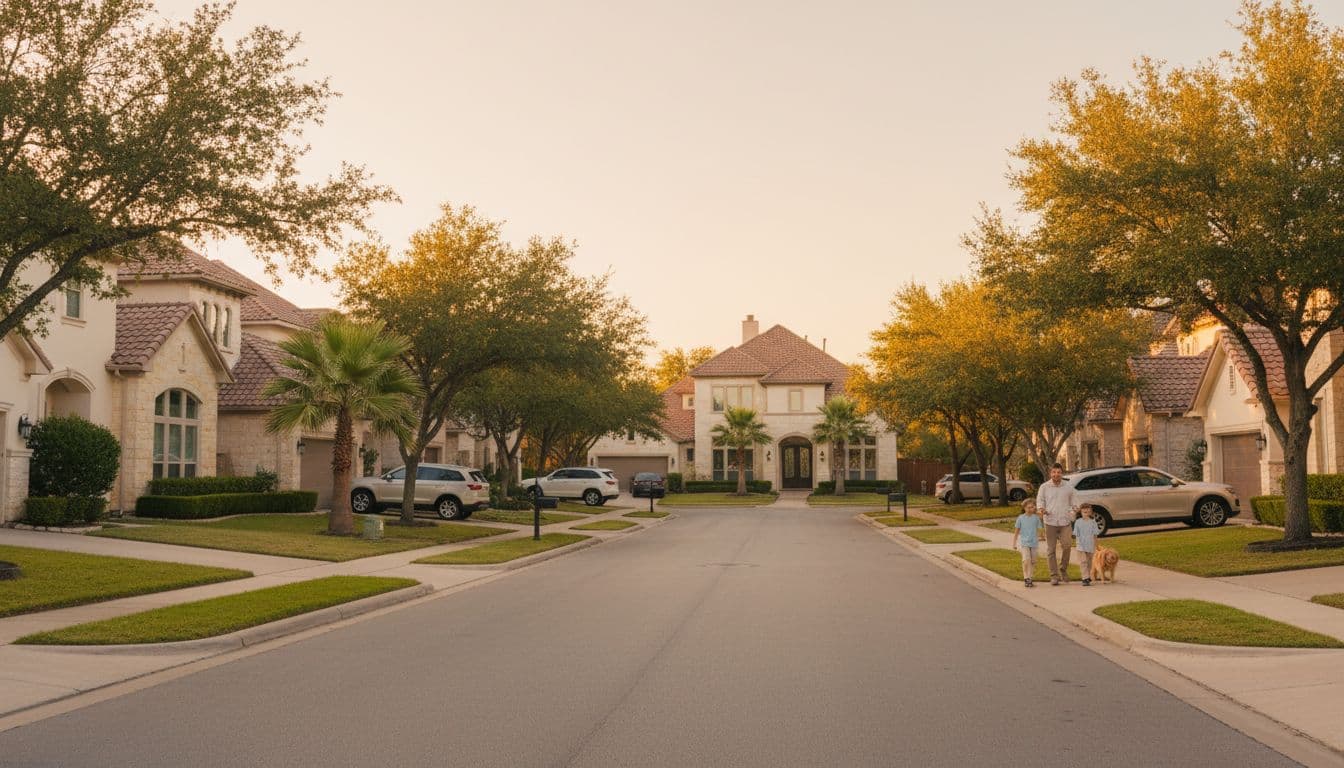 A calm northside street scene similar to Stone Oak, where many visitors choose chain hotels and quieter evenings (created with AI).
If you want quieter nights, the northside is the easy button. In 2026, areas like Stone Oak, Shavano Park, Alamo Heights, and Terrell Hills keep showing up on “safest” lists because they’re largely residential, well-kept, and have strong community presence. Some of the small cities around San Antonio also have their own police services, which can add to that steady, watched-over feel.
Alamo Heights is the sweet spot for a lot of visitors. You’re close to downtown, but you aren’t sleeping in the middle of it. It’s a great base for first-timers who want early mornings at museums and calmer evenings.
Stone Oak is very family-friendly with newer shopping centers and plenty of chain hotels. The tradeoff is distance, you’ll drive more, and rideshares cost more if you stay out late downtown.
For a charming in-between, Olmos Park sits close to downtown and feels more residential. If you want “quiet, but not far,” it often fits.
If you’re comparing neighborhoods, this local Realtor overview of best San Antonio neighborhoods in 2026 can help you sanity-check what’s nearby and what the commute feels like.
The safety playbook: simple habits that make your trip smoother
Most visitor issues aren’t dramatic, they’re annoying. Think stolen sunglasses from an open purse, a backpack left on a patio chair, or a smashed car window because a bag was visible. A few habits prevent most of it, especially around downtown garages, trailhead parking, and busy festival weekends.
Here’s the plain-language version locals follow:
Getting around at night: walk smart, rideshare sooner, and plan your route
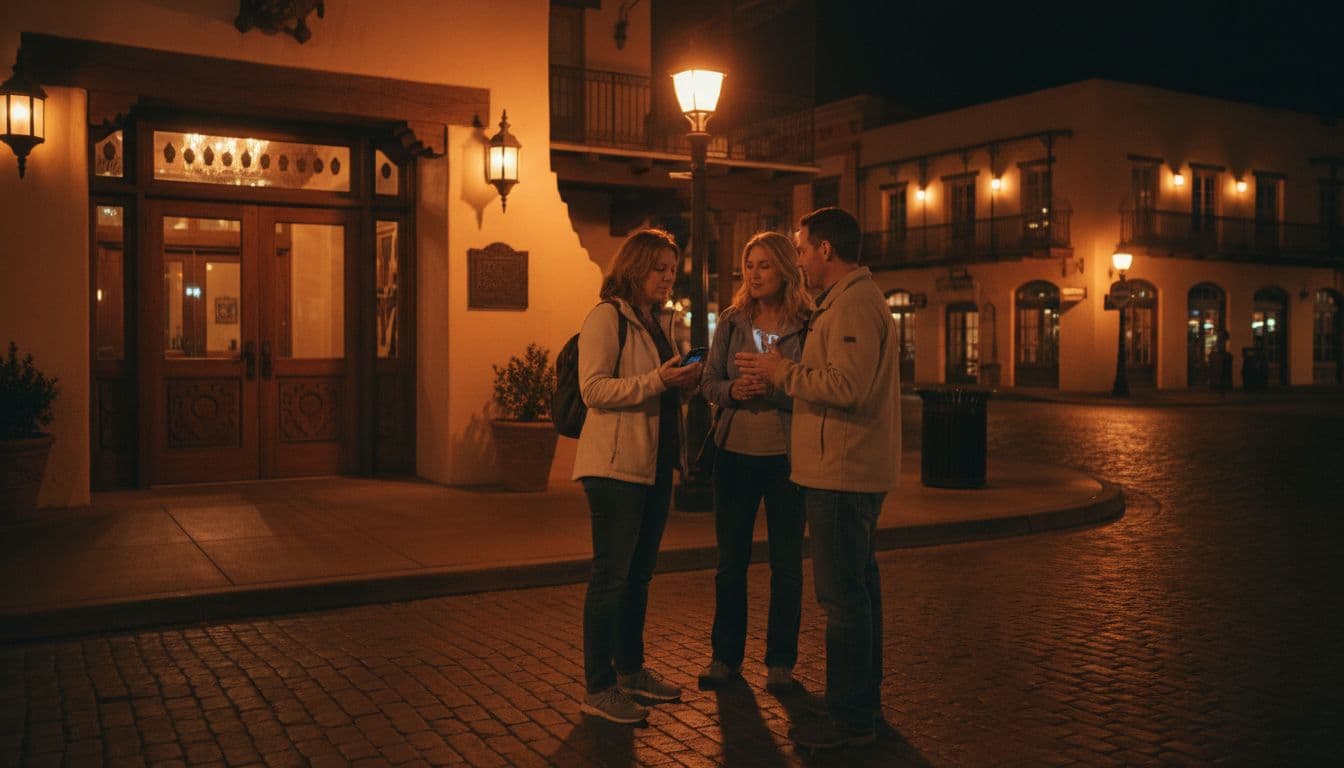 A typical “call it early” moment, ordering a ride from a bright main street near a hotel entrance (created with AI).
Downtown nights are fun, but they’re smoother when you decide your route before you’re tired. Stay on well-lit streets with other people around, and don’t wander far for “one more bar” if it pulls you away from the tourist core.
A few rules that work:
- Use main streets and hotel entrances instead of side doors.
- Call a rideshare when crowds thin out, not after they’re gone.
- If you’re in a group, pick one meetup spot and keep phones charged.
Also, trust the small signals. If a block feels empty and dim, take the hint and reroute. You’re not missing out, you’re just choosing the easier path.
Protect your car and your stuff (this is where most visitors get burned)
Car break-ins are the big one, and they’re usually opportunistic. Thieves look for quick wins. Don’t give them one.
In garages and lots:
- Leave nothing visible, even jackets, charging cords, and shopping bags.
- Park under lights when you can, and take the extra minute to check your doors.
- Don’t move bags to the trunk after you arrive. Do it before you get there, or bring everything inside.
On foot and on patios:
- Keep your phone and wallet secure, not half-hanging out of a back pocket.
- Be careful with open purses on restaurant patios, chair backs are easy targets.
- Skip flashing cash, it draws the wrong kind of attention.
Busy tourist areas are generally fine, but theft happens because it’s easy, not because you did something “wrong.”
Places locals suggest skipping as a home base, plus safer alternatives nearby
San Antonio has pockets where tourists end up unhappy, usually because they booked the cheapest option that looked “close to downtown.” Some near-east and near-west side pockets can have higher theft and more late-night issues. That doesn’t define the whole side of town, but it’s a common pattern for visitors who don’t know the blocks.
Instead of rolling the dice, choose a nearby alternative that still keeps you close. Alamo Heights and Olmos Park can give you a calm base near downtown. The Pearl also works well if you want walkable nights without the busiest River Walk zones.
If a deal looks too good, double-check the block before you book
Before you commit to a hotel or rental, do a quick reality check:
- Read recent reviews (last 3 to 6 months), and scan for “car break-in,” “parking,” and “felt unsafe.”
- Use Street View to look for lighting, foot traffic, and whether businesses nearby stay open at night.
- Check how far you really are from the River Walk or The Pearl, because some “downtown” listings are outside the tourist core.
If you want another neighborhood list to compare against, this guide to San Antonio’s safest neighborhoods can help you spot patterns like “quiet small cities near downtown” versus “cheap, isolated blocks.”
A low nightly rate doesn’t help if you end up spending the savings on rideshares you didn’t plan for.
Conclusion
San Antonio rewards a little planning. For first-timers who want to be in the action, the River Walk and The Pearl are the easiest stays, as long as you stick to busy blocks at night. If you want quieter evenings close to downtown, Alamo Heights (and nearby Olmos Park) is a comfortable base. For families who want calm, Stone Oak keeps things simple, even if you’ll drive more.
Match the neighborhood to your trip style, plan your nights before you go out, and you’ll likely have a great time in San Antonio. Where are you picturing your home base?