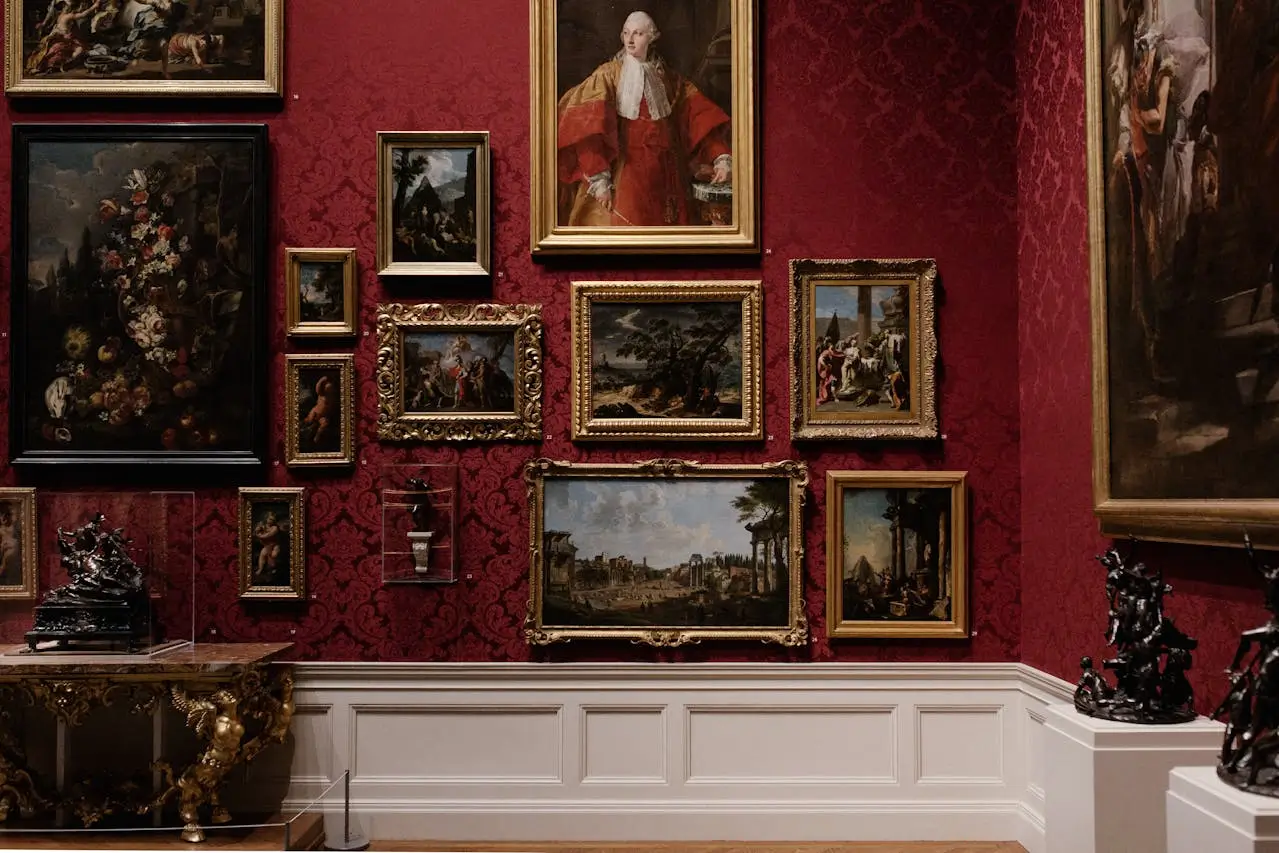
Museum tickets add up fast, especially in big cities. Still, you don’t have to choose between your budget and great art. In the USA, you can see famous paintings, sculptures, and contemporary masterpieces for $0 if you know where to go and how to plan.
“Free” can mean a few different things. Some museums are always free. Others offer free ticket programs, weekly free nights, or monthly free days. The catch is that special exhibits may still cost extra, and popular museums often use timed entry.
Below are the best always-free picks, plus simple planning tips, so you spend your day looking at art, not standing in lines.
The best always-free art museums in the USA (no ticket required)
National Gallery of Art, Washington, D.C. (European masters and modern icons for free)
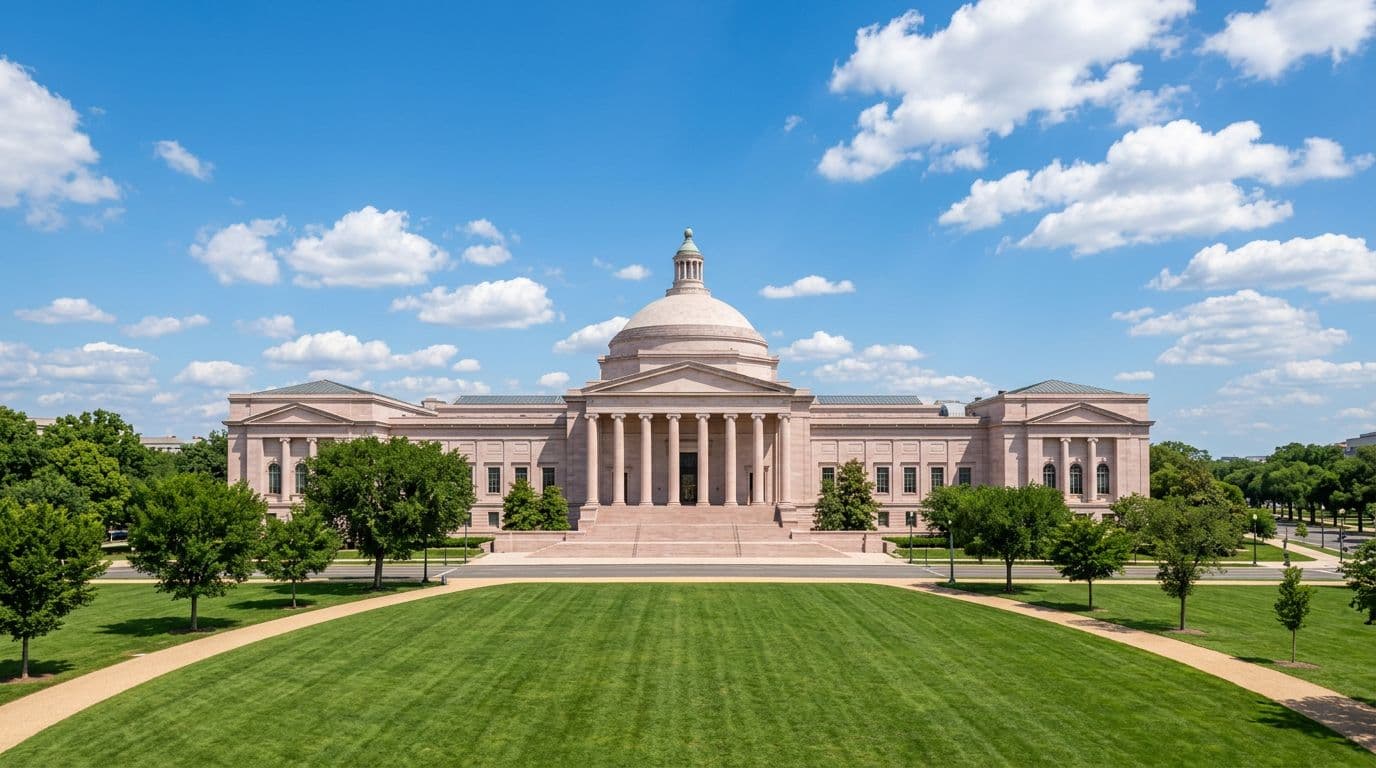 The National Gallery of Art on the National Mall, created with AI.
If you want a “how is this free?” kind of museum day, start here. The National Gallery of Art sits on the National Mall and its regular daytime admission is free. The collection is huge, with crowd-pleasers and deep cuts.
The simplest way to think about it: the West Building leans classic (many European paintings and sculpture), while the East Building feels more modern (20th-century and contemporary works, plus bold architecture).
A few easy highlights to anchor your visit:
- A room or two of Monet if you want light and color.
- A stop for Van Gogh if you want something instantly recognizable.
- The Sculpture Garden when you need fresh air and a reset.
Practical tip: build a “two-hour route.” Pick one building if you’re short on time, then add the Sculpture Garden if the weather’s nice. The museum is open daily and closed December 25, and its Mall location makes it easy to pair with other free sights. For the latest hours and entry rules, use the official National Gallery of Art visitor info.
Free admission feels even better when you plan for the busy parts, security lines, timed entry, and special events.
Smithsonian American Art Museum, Washington, D.C. (a crash course in American art)
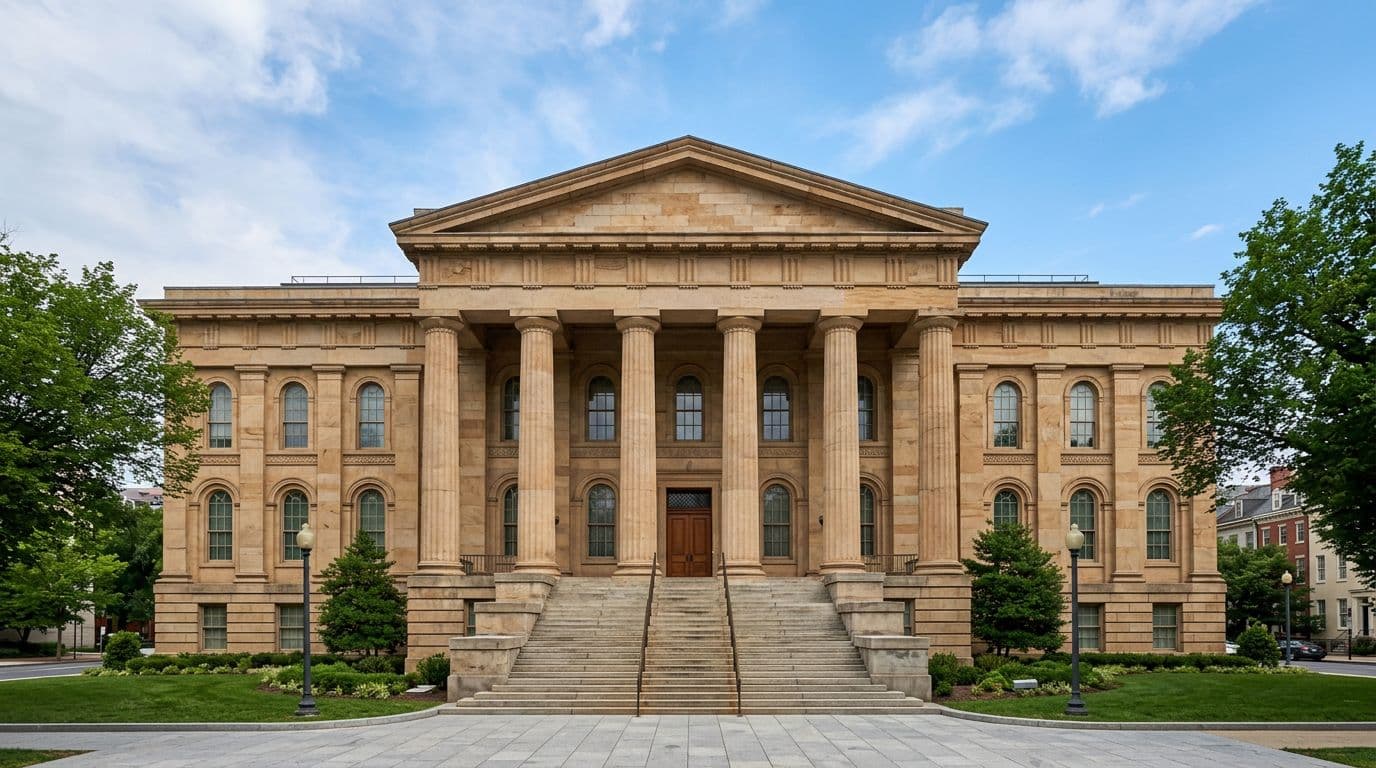 The Smithsonian American Art Museum building in downtown D.C., created with AI.
Want to understand American art without reading a textbook? This museum gets you there fast. The Smithsonian American Art Museum (SAAM) spans roughly 300 years of work, from early portraiture to modern pop.
It’s also a great “first museum” for friends who say they don’t know much about art. The galleries make it easy to see how styles shift over time, and you’ll likely spot names you already know, like Georgia O’Keeffe and Andy Warhol.
Must-see moments depend on your taste, but these are reliable:
- A few rooms of American modernism for clean lines and strong color.
- A pop art stop for bright, bold, media-driven work.
- A quick walk through rotating shows that often spotlight living artists.
Practical tip: go later in the day for a calmer feel, especially outside peak school trip hours. Also, keep an eye on special exhibitions, because they can come with extra rules. Check hours, accessibility, and any updates on the official Visit SAAM page.
The Broad, Los Angeles (big-name contemporary art for $0, if you plan ahead)
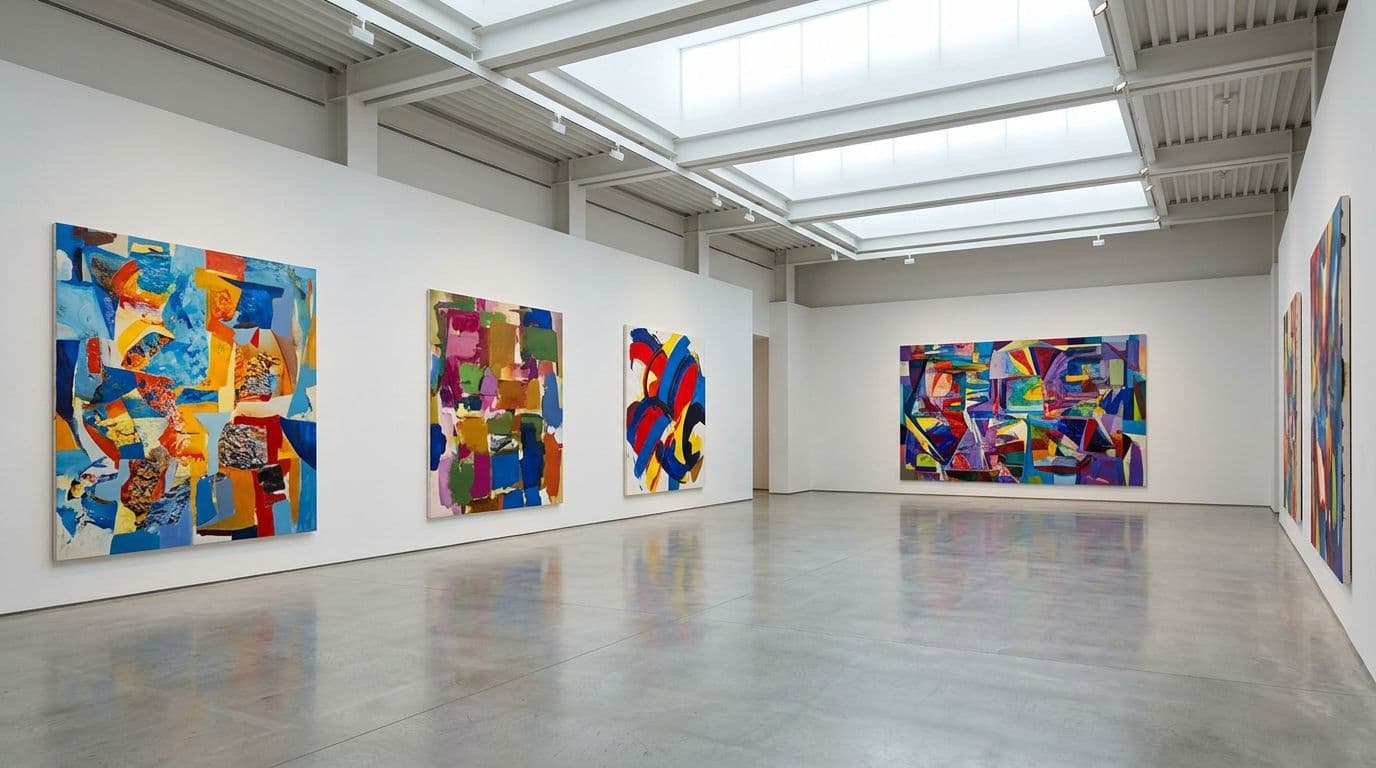 A quiet contemporary gallery vibe similar to what you’ll find at modern museums, created with AI.
The Broad is the kind of place where contemporary art feels loud in the best way. Think shiny surfaces, big scale, and artists that come up in conversation, even if someone hasn’t set foot in a museum.
Visitors often come for well-known names such as Jeff Koons and Yayoi Kusama, plus a steady rotation of collection displays and exhibitions. The building itself is part of the experience, too, so take a lap and look up.
Here’s the main thing to know: The Broad is famous for free general admission, but timed entry is common. For 2026 visitors, check early in the week for ticket releases and aim for weekday mornings if you can. If you’re chasing an Infinity Mirror Room, plan even further ahead.
Practical tip: don’t treat it like a “do everything” museum. Choose a few works you’re excited to see, then slow down. Confirm the current ticket flow, hours, and any room-specific rules on The Broad’s visit page.
More ways to get into top museums for free (even when tickets normally cost money)
Always-free museums are the easiest win. Still, you can also score $0 entry at places that usually charge, if you use the right door.
Most free access paths fall into four buckets: free days, free evenings, bank perks, and library passes. Each comes with fine print. You might need to reserve ahead, bring ID, or accept limited time slots. Also, special exhibitions can cost extra even on a free day.
Here’s a quick checklist that’s worth saving:
- Check the schedule first: Free hours change, especially seasonally.
- Reserve online when offered: Many “free” windows still require timed tickets.
- Bring what you need: Photo ID, library card, or qualifying bank card.
- Confirm what’s included: General admission vs. special shows.
Use free days and free hours like a pro (and avoid the worst crowds)
Free nights can feel like a concert crowd, because they’re popular for a reason. You can still have a great visit if you plan like you would for a flight, show up early, know your gate, and don’t overpack your agenda.
In March 2026, a strong example is the Whitney Museum of American Art in New York, which lists free admission on Friday nights (5 to 10 PM) and on second Sundays. Even better, it notes that tickets are still required, even when free. Start with the museum’s own Free Days and Nights details, then book as soon as you can.
Practical tip: when a museum offers both free hours and paid hours, go at opening on a regular day if your schedule allows. You’ll often see more art, with less noise.
Get $0 tickets with perks you already have (Bank of America, libraries, local IDs)
If you have a qualifying card, Bank of America’s Museums on Us program can be the easiest discount you’ll ever use. In 2026, it runs on the first full weekend of each month (for example, March 7 and 8). You typically need to show your card plus photo ID, and the benefit usually covers the cardholder only.
Because participating museums vary by city, confirm details with a participating museum’s page. For example, the Museums on Us overview at the Northwest Museum of Arts and Culture explains the basic rules and what you need at the door.
Libraries can also be gold. Many public libraries lend museum passes, but quantities are limited and popular dates book out. Put holds in early and stay flexible with timing.
Plan your $0 museum day so it feels first-class, not stressful
Free art days go sideways for predictable reasons, long lines, missed reservations, tired feet, and trying to see everything. A little structure keeps the day fun.
Also, “free” works best when you build your day around it. Pick one anchor museum, then add a smaller nearby stop, a walk, or a coffee break. That rhythm helps you actually remember what you saw.
A simple game plan: reserve, arrive early, pick your top 10 artworks
Use this mini plan and you’ll feel in control:
- Check entry rules the night before (tickets, ID, closures).
- Choose 1 to 2 galleries you care about most.
- Arrive 15 minutes early for security and bag checks.
- Take one real break after 60 to 90 minutes.
Most museums post maps online. Use them. It’s like hiking with a trail map instead of wandering until you’re exhausted.
Hidden costs to watch for (special exhibits, parking, and tours)
Free admission doesn’t always mean everything inside is free. Special exhibitions, parking, audio guides, and even some tours can add up.
If staying at $0 matters, decide your “paid yes” items before you enter.
To keep costs down, use public transit when it’s practical (the D.C. Metro makes many free museums easy), bring a water bottle, and skip add-ons unless they truly matter to you.
Conclusion
If you want the strongest $0 art lineup, start with the National Gallery of Art and the Smithsonian American Art Museum in Washington, D.C., then add The Broad in Los Angeles for contemporary highlights. After that, the big money-savers are simple: watch for timed tickets (even when entry is free) and use programs like free nights or bank perks.
Pick one museum to visit this month, check the official site for current entry rules, then make a small must-see list. A free museum day can still feel personal, and that’s the point.