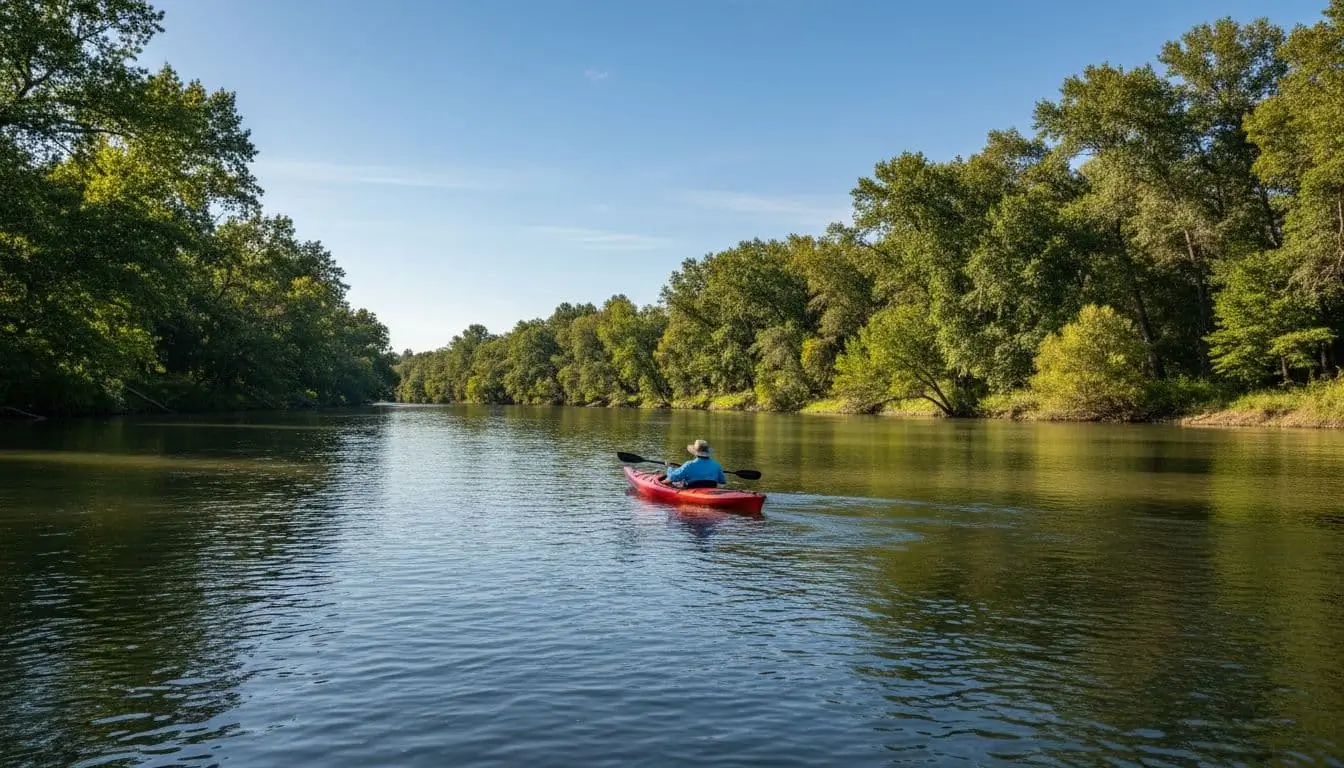
The best kayaking spots in the USA cover every mood, from quiet, shaded rivers to serious whitewater in big canyons. A smart way to plan is to build up in difficulty. Start on the SA River (for most travelers, that means the Sacramento River in California), then step into wilder water, and finally aim for the Grand Canyon.
Below are quick, practical notes for each place, what it feels like, who it’s for, and the best season to go.
Start easy on the SA River (Sacramento River), a laid-back paddle with forest views
The Sacramento River is a strong first stop because it’s approachable and scenic. Access is simple in many areas, and the current does a lot of the work. Even when the day warms up, the water often stays cool, so you feel refreshed instead of baked.
Still, treat it like real river travel. Cold water can sap energy fast, and strainers (fallen trees) can pin a boat. Wear a PFD, keep space from brushy banks, and don’t hug blind corners.
What to expect on the water (current, scenery, and vibe)
Expect long, clear runs with shaded stretches and occasional riffles. The pace feels relaxed, yet you still get that “I’m going somewhere” feeling. Forested banks, birds, and open sky keep it interesting without demanding constant moves.
Best time to go and who it’s best for
Plan for April to October, with spring bringing higher, cooler flows and fall offering pleasant air. It’s best for beginners to intermediate paddlers, families with prior river experience, and anyone brushing up on ferry angles and eddy turns before a bigger trip.
Three bucket-list paddles that show off the USA’s wild side
These rivers raise the stakes fast. Each one rewards strong skills and good judgment, especially when flows rise.
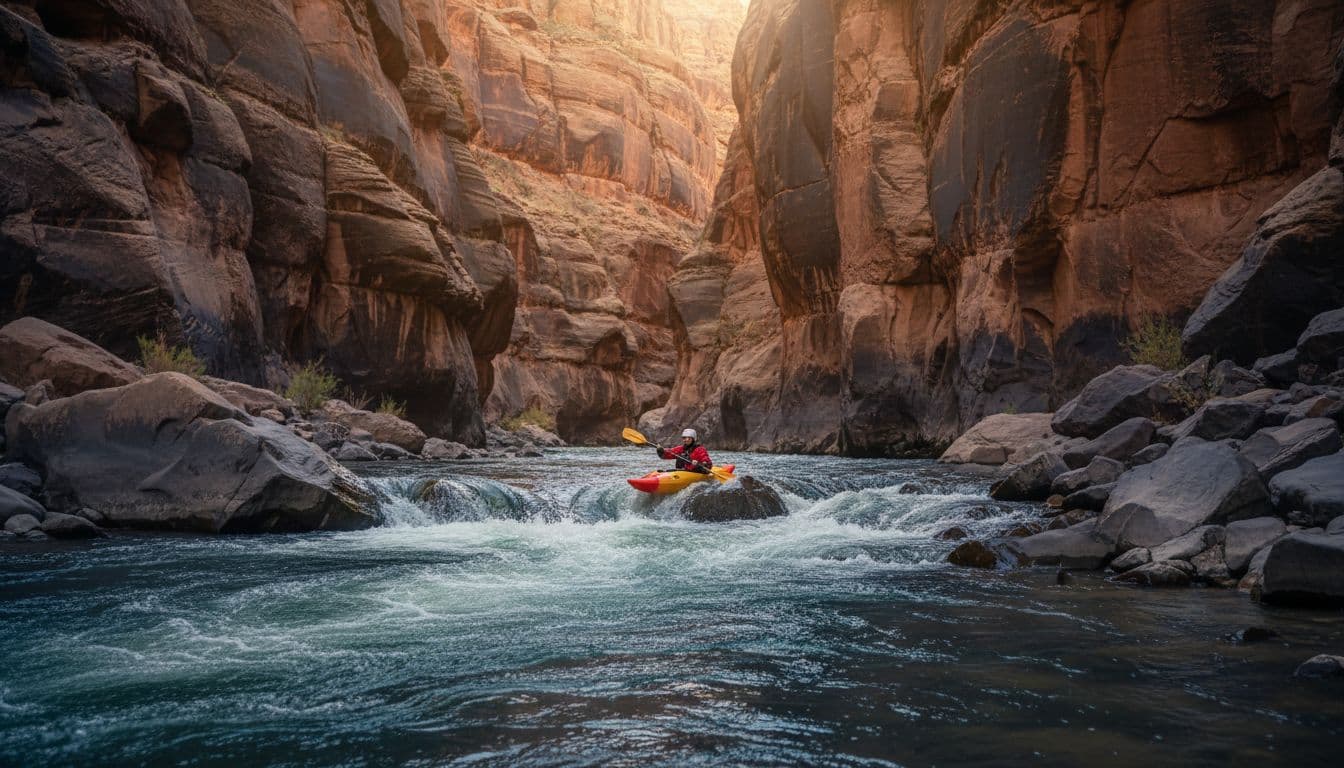
Salmon River, Idaho: classic whitewater and multi-day camping
If you want wilderness canyon views with real rapids, the Salmon delivers. Many runs sit in Class III to IV, so it fits intermediate to expert paddlers. Go April to June for higher snowmelt water, or later for lower, more technical lines. Camping and wildlife sightings are part of the appeal.
Snake River in Hells Canyon: deep gorges, splashy rapids, huge views
Hells Canyon feels huge and remote, but many stretches stay intermediate-friendly (often Class III). Aim for June to September for warmer days and steadier flows. Expect towering walls, big wave trains, and stretches where you won’t see a road for hours.
Grand Canyon, Arizona: the ultimate Colorado River kayak challenge
Grand Canyon kayaking is an expert goal, with rapids that can reach Class IV to V and consequences that don’t forgive mistakes. The best windows are April to May and September to October. Permits are required, and many paddlers choose guided or supported trips because of heat, logistics, and rescue limits.
If you’re unsure about self-rescue in heavy whitewater, choose a guide before you choose a rapid.
Prefer calm water and wildlife? Two iconic beginner-friendly alternatives
Not every “best” trip needs big rapids. These spots focus on quiet paddling, simple logistics, and nature watching. Keep wildlife space, pack out trash, and follow Leave No Trace.
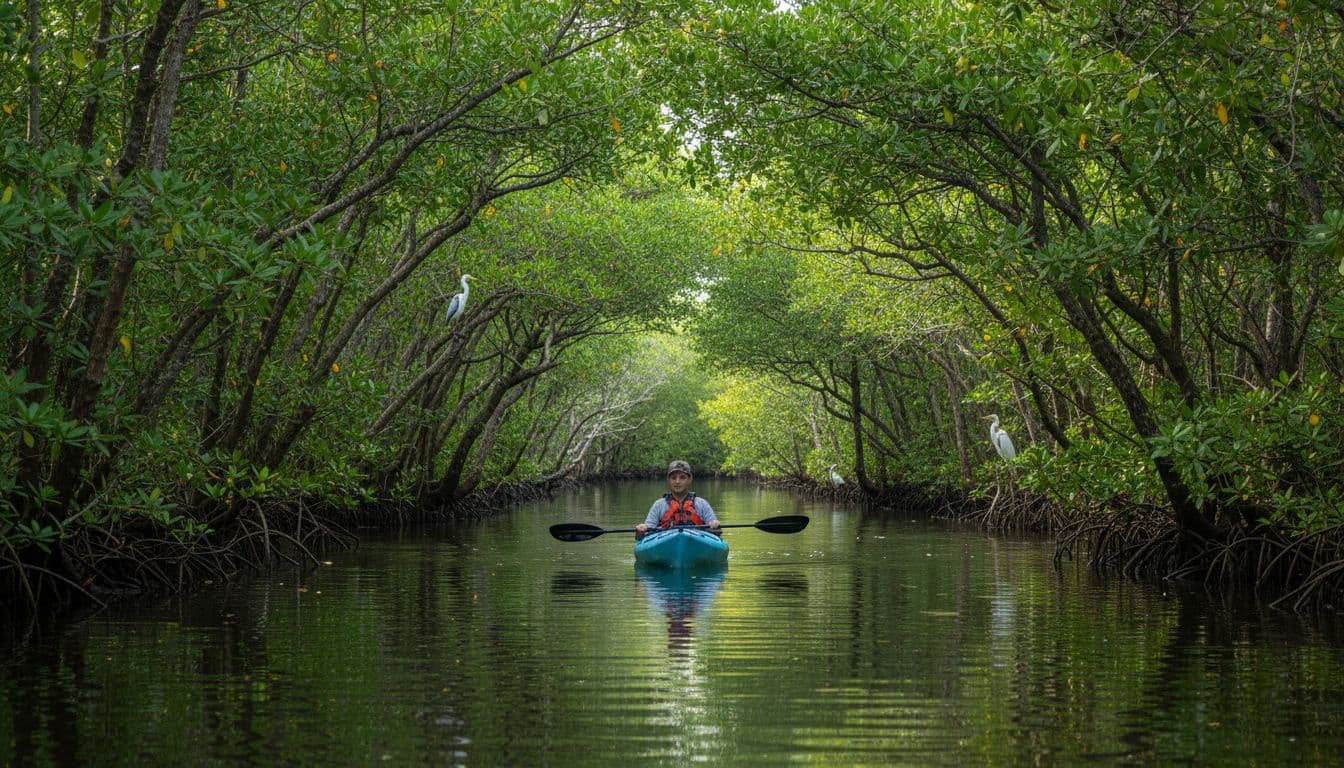
Everglades, Florida: mangrove tunnels and animals around every turn
The Everglades are beginner-friendly flatwater, best November to April in the dry season. Mangrove tunnels feel like paddling through a green hallway, and birds are everywhere. Manatees are possible too. Bring sun protection, and treat navigation seriously because many routes look alike.
Boundary Waters, Minnesota: quiet lakes, easy routes, and starry nights
The Boundary Waters are calm and stunning, with no-motor quiet across many lakes. It’s beginner to intermediate because portages add effort. Go June to August for warm camping, or May and September for fewer crowds. Overnight permits can fill early, so plan ahead.
Conclusion
A simple progression works: build comfort on the Sacramento River, step up to the Salmon or Snake, then save the Grand Canyon for when your skills match the risk. Above all, match difficulty to your crew, check local flows and closures, and hire support for high-consequence water. Save your short list now, and start mapping a 2026 paddle season you’ll actually finish smiling.