When you first pull into San Antonio, there’s a distinct feeling that you’ve entered a city built in layers. As a software engineer, I tend to look at systems—how things connect, how the “legacy code” of history integrates with the “new build” of modern urban life. San Antonio is perhaps the best example of this in the United States.
It isn’t just about the Alamo, although that’s the “Home” page everyone visits first. It’s about the hidden 18th-century irrigation systems (acequias) that still run through the missions, the repurposed industrial grit of the Pearl District, and the vibrant, neon-lit pulse of the River Walk.
If you are planning your first trip in 2026, here is your 72-hour blueprint to experience the city like a local, not just a tourist.
Day 1: The Historic Heart & The River’s Glow
Morning: “Remember” Differently at The Alamo
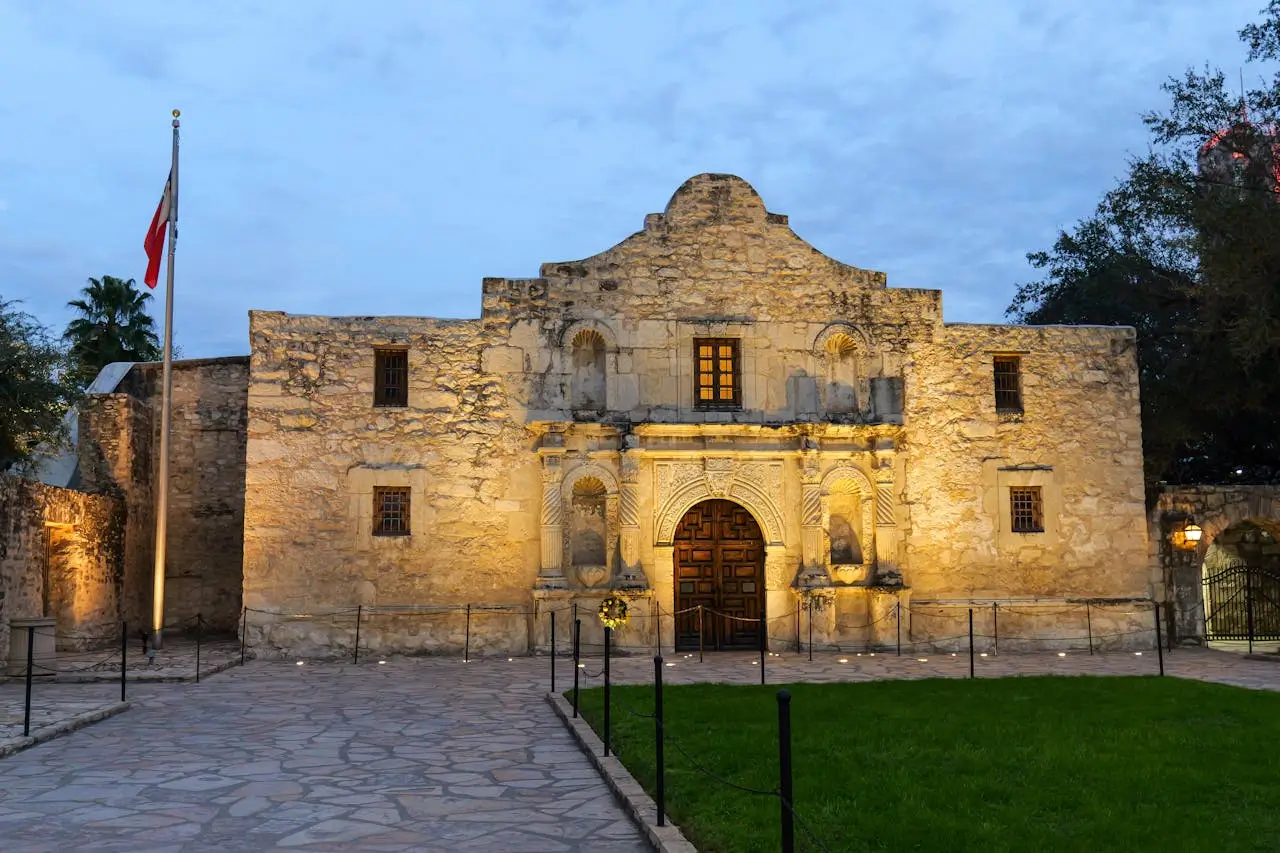
Start your journey at The Alamo. While the famous facade is smaller than most people expect, the grounds are currently undergoing a massive multi-year transformation aimed at restoring the site’s original footprint.
- The 2026 Reality: While the highly anticipated new Visitor Center and Museum has seen its grand opening shifted to 2028, you can still visit the Alamo Collections Center. This facility houses the impressive Phil Collins collection, offering a deep dive into the 1836 battle and the centuries of history that preceded it.
- Pro Tip: Entry to the church is free, but you must book a timed entry ticket online in advance. These slots disappear quickly, so aim to book at least 7–10 days before your arrival.
Lunch: A German-Texan Tradition
Most first-timers head straight for the tourist-heavy River Walk restaurants for lunch, but for a true taste of San Antonio’s heritage, step just two blocks away to Schilo’s Delicatessen.
Established in 1917, it is the oldest restaurant in the city. The interior remains a time capsule of polished wood and stone floors.
- The Order: Get the split pea soup and their famous homemade root beer. It’s a perfect example of the German influence that literally “built” much of early San Antonio.
Afternoon: Decoding the River Walk (Paseo del Rio)
The San Antonio River Walk is essentially the city’s “Main Loop.” It sits one story below street level, which keeps it surprisingly cool even in the Texas heat.
- Walk the Loop: Don’t just stay in the “shopping” section. Start near the Rivercenter and walk toward the Museum Reach (northward). The crowds thin out, and you’ll find modern art installations hanging under the bridges.
- The Boat Factor: The Go Rio electric river shuttles are excellent for a high-level overview, but the real magic is found on foot, crossing the stone bridges and exploring the “Little Village” of La Villita, where local artisans sell leather goods and handmade jewelry.
Evening: History in Laser Lights
After a modern Tex-Mex dinner (try Acenar for their duck chalupas), head to the Main Plaza. At 9:00 PM, look up at the San Fernando Cathedral.
- The Saga: This is a 24-minute video art installation by Xavier de Richemont that projects the entire history of San Antonio—from its indigenous roots to modern-day—onto the cathedral’s facade. It is free, breathtaking, and the best way to visualize how this city was constructed.
- Note: Shows typically run Tuesdays, Fridays, Saturdays, and Sundays.
Day 2: Missions, Markets, and the Southtown Soul
Morning: The “Other” Missions
The Alamo is just one of five Spanish missions. The other four make up the San Antonio Missions National Historical Park, a UNESCO World Heritage site.
- The Mission Reach: Use your smartphone to rent a Swell Cycle (the city’s bike-share) and pedal the 8-mile Mission Reach trail. It is a paved, scenic route that connects the missions along the river.
- The Crown Jewel: Do not miss Mission San José, known as the “Queen of the Missions.” The scale of the limestone walls and the intricate “Rose Window” are architectural marvels that have survived nearly 300 years of Texas weather.
Lunch: The Flavors of El Mercado
Head back toward the west side of downtown to Historic Market Square. This is the largest Mexican market in the United States, and the energy here is infectious.
- The Experience: Grab a table at Mi Tierra. It’s decorated with thousands of year-round Christmas lights and features a bakery (panadería) that is legendary.
- Must-Try: Order the pan dulce (sweet bread)—specifically a concha. If you’re hungry for a full meal, their Cabrito is a local staple.
Afternoon: The King William Historic District
Walking through the King William District feels like stepping into a Victorian dream. It was the first designated historic district in Texas, originally “built” by wealthy German merchants in the late 1800s.
It’s a quiet residential area shaded by massive, moss-covered oak trees. Take a slow stroll down King William Street to admire the Greek Revival and Italianate mansions that show a very different side of San Antonio’s architectural history.
Evening: Southtown Vibrations
Just south of the downtown core lies Southtown, the city’s creative and artistic heart.
- Relax: Visit The Friendly Spot, an outdoor ice house with a massive selection of craft beers and a giant screen for movies or Spurs games.
- Dinner: Walk over to Rosario’s for their famous fish tacos and salsa. The energy here is authentic San Antonio—loud, vibrant, and unapologetically colorful.
Day 3: Industrial Chic and the Modern North
Morning: The Pearl District
Twenty years ago, the Pearl Brewery was an abandoned industrial site. Today, it is the crown jewel of San Antonio’s urban redevelopment.
- The Hub: Start at Hotel Emma, a boutique hotel built inside the old 19th-century brewhouse. Even if you aren’t staying there, walk through the lobby. They have preserved the massive boilers and ammonia compressors, turning industrial “legacy code” into high-end design.
- The Weekend Market: If you are here on a Saturday or Sunday, the Pearl Farmers Market is widely considered the best in Texas.
Lunch: The Food Hall Revolution
For lunch, hit the Bottling Department food hall.
- New for 2026: Keep an eye out for LoverBoy House Eats, the newest concept from the team behind the local favorite Box St. All Day. It’s the perfect spot for a high-quality, design-forward lunch in a shared social space.
Afternoon: Art and the Japanese Tea Garden
Walk the Museum Reach section of the river toward the Japanese Tea Garden.
- The Oasis: This former rock quarry was transformed into a lush paradise with a 60-foot waterfall and stone bridges. It’s free to enter and offers a peaceful contrast to the bustling downtown.
- Optional: If you have the energy, the San Antonio Museum of Art (SAMA) is right on the river and features an incredible collection of ancient Mediterranean and Latin American art housed in the old Lone Star Brewery building.
Evening: The Tower View
End your 72-hour journey at the Tower of the Americas. Built for the 1968 World’s Fair, it offers a 360-degree view of the city.
As the sun sets over the Texas Hill Country, you’ll see the “layers” of the city glowing below—the historic missions to the south, the glass towers of downtown, and the winding river that connects it all.
Essential 2026 Travel Logistics
- When to Visit: Spring (March–May) is peak season. This is when Fiesta happens—a 10-day city-wide party in April that is essential to the San Antonio experience. If you want to avoid the heat, stay away in July and August.
- Transportation: You do not need a car if you stay in the Downtown or Pearl areas. The VIA Link ride-share and river shuttles are highly efficient. For the Missions, biking is the most immersive way to go.
- Safety & Health: San Antonio is a friendly city, but stay aware in crowded tourist areas at night. Most importantly: Stay hydrated. The Texas sun is a “feature,” not a nuisance, and it can be quite intense, even during the spring months.
San Antonio isn’t a city you just see; it’s a city you feel. It’s “built” on a foundation of resilience, diverse culture, and constant evolution. Whether you are here for the history or the tacos, you’ll leave with a piece of Texas in your soul.