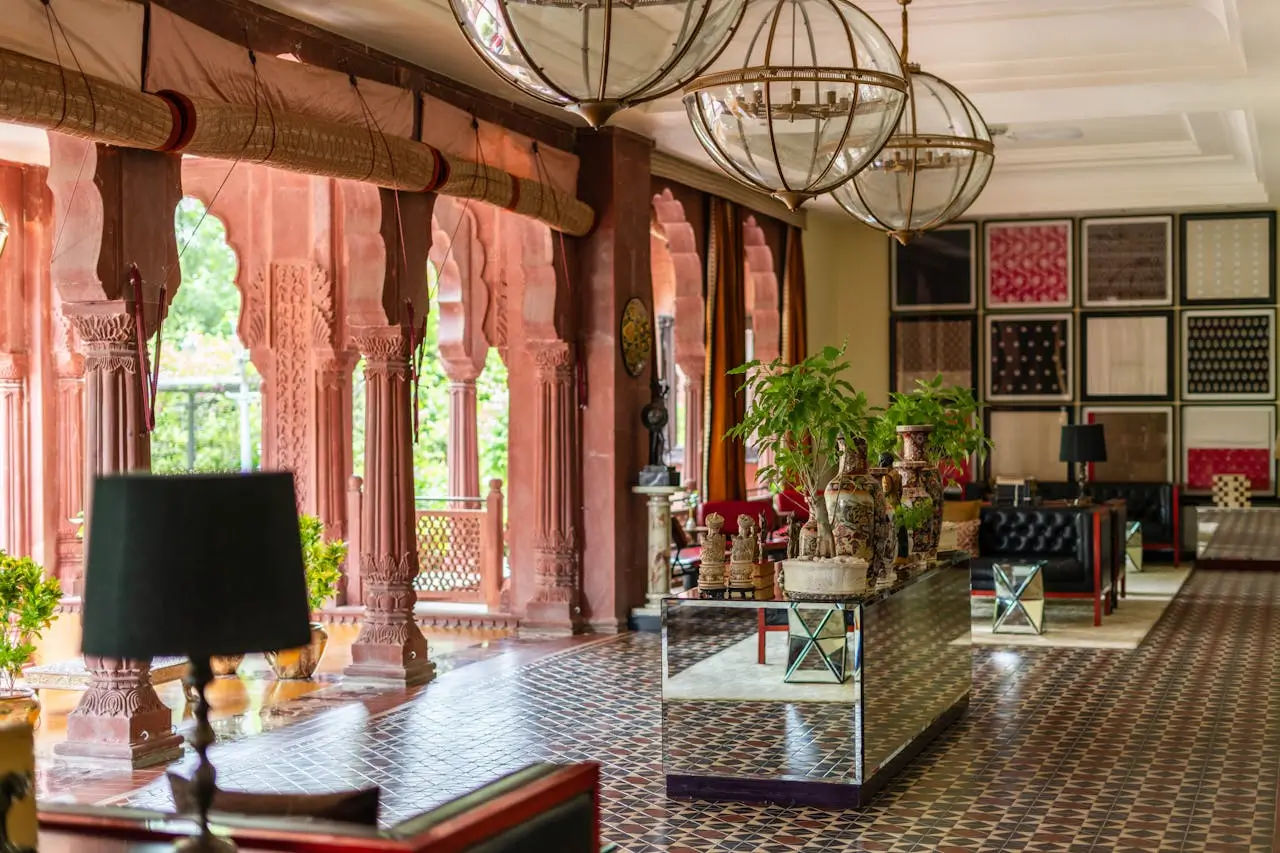
You’ve probably noticed it: almost every nice-looking property calls itself a boutique hotel now. The label shows up on booking sites, Instagram captions, even roadside ads. Still, the meaning gets fuzzy fast. Is it just a small hotel? Is it a trendy design? Or is “boutique” simply a price tag with better lighting?
This guide gives you a simple definition, then a traveler-friendly way to spot the real thing. The north star is easy: character over chains. A true boutique stay feels tied to its place, with design choices that aren’t generic and service that feels human, not scripted. By the end, you’ll know what to look for before you book, and what tradeoffs to expect.
What actually defines a boutique hotel (and what does not)
In plain English, a boutique hotel is a smaller, style-forward property that offers a distinct experience, usually shaped by local culture and delivered with personal service. It should feel more like staying inside a point of view than inside a template.
Size matters, but only as a clue. Many boutique hotels fall in the 10 to 100 room range, because it’s easier to keep the mood intimate and the service attentive. Still, size alone doesn’t make a hotel boutique. A small roadside motel can be tiny and still feel forgettable. On the other hand, a larger property can feel boutique if it’s designed with intention and runs like a close-knit host.
What boutique does not mean:
- It’s not automatically luxury (some are, many aren’t).
- It’s not just “modern” or “minimal.”
- It’s not “no kids allowed” (some are adults-only, plenty aren’t).
- It’s not the same as “independent,” although independents show up a lot.
If you want an industry-style explanation, this complete guide to boutique hotels lines up with what travelers usually experience: fewer rooms, more personality, more emphasis on the stay itself.
A good boutique hotel doesn’t try to be everything. It tries to be memorable, on purpose.
The core traits: smaller scale, standout design, and personal service
Three signals show up again and again.
First, smaller scale. The lobby rarely feels like a transit hub. Elevators don’t churn all day. You might see the same staff member twice, which is the point.
Second, standout design. It’s not about being flashy. It’s about being specific. Think locally inspired art, a hallway palette that matches the city’s mood, or a lobby that feels like a living room instead of a waiting room. Some properties go further with sensory details, like a signature scent or a curated playlist that fits the space without shouting.
Third, personal service. The best boutique teams don’t just smile, they notice. A bartender asks what you like, then remembers it the next night. The front desk recommends a bakery because they actually go there, not because it’s on a partner list.
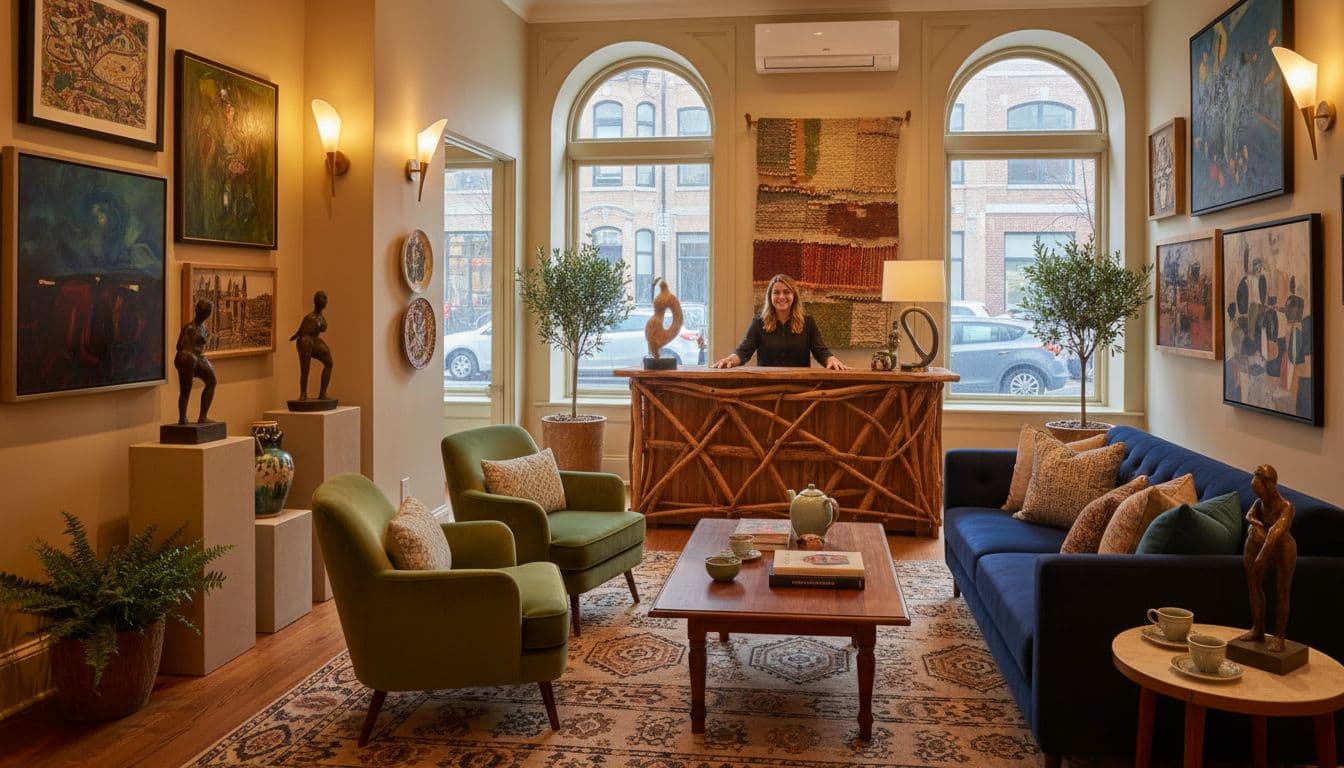
Local flavor is the point, neighborhood beats “anywhere, USA”
A boutique hotel should feel anchored to its neighborhood. That can show up in obvious ways, like reclaimed local wood in the bar, or subtle ways, like minibars stocked with regional snacks instead of the same three brands.
Food and drink often carry the strongest “sense of place.” You might find a chef who sources nearby, a lobby coffee program run with a local roaster, or partnerships with shops down the street. Even the guidebook vibe changes. Instead of a laminated list of attractions, you get “If you like vinyl, go to this spot on Tuesday.”
Many boutiques land in walkable, artsy, or historic areas because that’s where character lives. However, there are exceptions. Some airport-adjacent boutiques exist, and a few highway properties do pull off a strong identity. Location helps, but it’s not the whole story.
For a design-focused take on how boutique hotels build personality through consistent choices, see these boutique hotel design characteristics.
Boutique vs chain hotels: a quick checklist you can use before you book
Chains aren’t the enemy. Sometimes consistency is the comfort you need. The trick is matching the hotel type to the trip you’re taking.
Use this quick comparison to set expectations. Then apply the checklist beneath it when you’re browsing photos and reviews.
| What you care about | Boutique hotel (typical) | Chain hotel (typical) |
|---|---|---|
| Feel | Unique, intimate, mood-driven | Familiar, standardized |
| Rooms | Variations between rooms | Similar layouts room to room |
| Service | Personal, flexible | Efficient, policy-based |
| Amenities | Selective, sometimes limited | Broad, predictable |
| Loyalty points | Limited or none | Strong programs and perks |
| Best for | Weekends, couples, solo resets | Work trips, families, conferences |
Takeaway: boutique wins on personality, chains win on predictability.
What you gain with boutique: character, calm, and curated experiences
The best boutique hotels feel like a good independent bookstore. You can sense a curator behind the choices. As a result, details tend to stack up in a satisfying way: nicer bedding, better lighting, a shower that doesn’t feel like an afterthought, and public spaces you actually want to sit in.
You’ll often get a quieter vibe, too. With fewer rooms, there’s less hallway noise and less “event spillover.” Many boutiques aim for “affordable luxury,” where comfort feels elevated but not fussy. Prices still vary by city and season, so it’s not a guarantee.
Curated perks usually beat big generic perks. For example, a welcome drink based on your taste, locally made toiletries, or a guided neighborhood walk led by someone who lives nearby. Even when there’s tech involved, it should support the hospitality, not replace it.
A helpful way to sanity-check the label is to compare the property to broader definitions like this boutique hotel meaning and types. If the hotel seems interchangeable with any other city, it’s probably not boutique.
What you might give up: fewer amenities, fewer points, less predictability
Boutique hotels can come with tradeoffs. The gym might be small, or missing. Pools and large spas are less common. Parking can be tight, especially in older neighborhoods. Room types may be limited, and accessible inventory can be thinner than a big brand’s.
Then there’s the “surprise factor.” Sometimes that’s charming, like a quirky room layout in a historic building. Other times it’s annoying, like thin walls or a late-night bar downstairs. Chains usually reduce these surprises because they’ve standardized the experience.
Matching the stay to the trip helps:
- Work travel often favors chains because you know what you’re getting.
- Family travel may need bigger rooms, predictable breakfast, and parking.
- Romantic weekends and solo resets often shine in boutique settings.
How to find a true boutique hotel in 2026 (without falling for the label)
In March 2026, boutique hotels in the US are leaning harder into sustainability, smart-room convenience, and personalization. Those trends can be great, but only when they serve the same goal: a stay that feels thoughtful and specific.
Sustainability claims deserve a quick check. Look for real signals, like refillable bath amenities, low-waste breakfast service, local sourcing, or clear notes about materials and operations. Tech can help too, like mobile keys or in-room controls, as long as you can still reach a real person quickly.
Meanwhile, some properties use AI concierge tools to answer common questions. That’s fine for quick info, but boutique hospitality still needs warmth. If the whole experience feels automated, the “boutique” label starts to ring hollow.
A simple pre-booking game plan: photos, reviews, and the “story test”
Use this short process before you commit:
- Scan photos for variation. If every room looks identical, it’s likely standardized. Boutiques usually show differences in layout, art, and furniture.
- Read reviews for human details. Search within reviews for words like “personal,” “unique,” “quiet,” “local,” and “remembered.” Mentions of staff names are a strong sign.
- Run the story test. Can the hotel explain its design inspiration and neighborhood ties in plain language? If the copy sounds generic, expect a generic stay.
Trends to watch: eco-focused boutiques, work-friendly spaces, and chain “boutique-style” brands
Three trends are shaping what boutique means right now: greener operations, lobbies designed for remote work, and more “boutique-style” concepts launched by big groups.
Eco-focused boutiques often highlight local materials, refill stations, and smarter energy use. Work-friendly spaces show up as comfortable communal tables, strong Wi-Fi, and quiet corners that don’t feel like a conference center.
Chain “boutique-style” brands can still be enjoyable. They often look great and run smoothly. The simple rule is this: if the experience feels copy-pasted across cities, it’s probably not boutique, even if it photographs well. For a current industry snapshot of what hotels are prioritizing this year, see hospitality trends to watch in 2026.
Conclusion
A boutique hotel is a smaller, design-led stay where personal service and local identity matter more than brand sameness. When you’re deciding, focus on three filters: the look (intentional design), the feel (calm, lived-in spaces), and the people (service that adapts to you). Use the comparison table, then confirm with reviews that mention tailored help and real neighborhood tips. Choose boutique when you want a one-of-a-kind stay, and choose chains when you want predictability and points. Save the checklist now, it’ll pay off on your next booking.