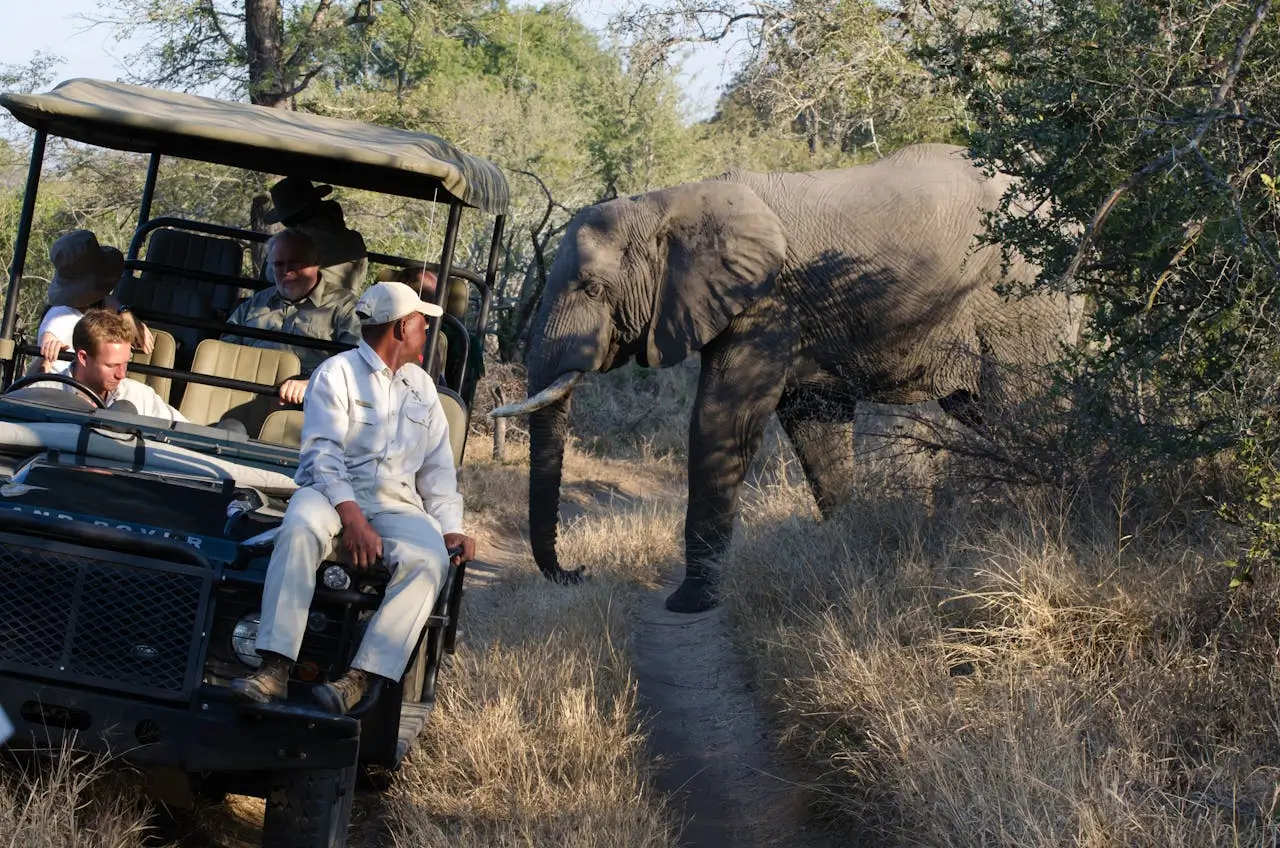
A wildlife sighting should feel like a gift, not a transaction that stresses an animal. Yet plenty of “wildlife experiences” are built on captivity, baiting, or forced contact, even when they look harmless on social media. The good news is you don’t need a staged encounter to have an unforgettable trip.
Below is a simple checklist to spot ethical wildlife tours, avoid tourist traps, and still come home with incredible memories (and photos).
Quick red flags that a “wildlife experience” is a tourist trap
If you can touch it, ride it, wash it, or feed it, walk away
If the ad highlights hugging, bathing, bottle-feeding, or riding, assume the animal’s needs come second. Direct contact often means stress, harsh training, or separation from natural social groups. It also raises disease risks for both people and animals.
Elephants are a common example: rides, “mud baths,” and hand-feeding can look gentle, but they usually require control and routine human handling. Also, the word “sanctuary” isn’t proof. Some places use it as a marketing label while still selling contact and photo ops. For more warning signs, see Born Free USA’s guide to wildlife tourist traps.
“Guaranteed sightings” and “close-up photos” often mean animals are forced or baited
Wildlife is unpredictable. So when a tour promises a guarantee, guides may chase animals, crowd them with vehicles, use spotlights at night, or rely on food bait. Baiting is especially risky because animals learn that people mean snacks, then they approach, beg, or even act aggressive.
If the experience sounds like a photo studio with fur, it probably is.
What ethical wildlife tours look like in 2026 (and what to ask before you book)
Green flags: small groups, clear distance rules, and guides who teach, not chase
Ethical tours put behavior first. Expect small groups, quiet viewing, and guides who explain tracks, calls, seasons, and habitat. Binoculars and zoom lenses are encouraged. Operators should follow park rules, limit time at a sighting, and never block an animal’s path. Most importantly, they set realistic expectations. No promises, just good odds and good practice.
Smart questions: conservation partners, where your money goes, and how they handle bad behavior
Copy and paste these before you book:
- Do you have a written no-touch and no-feeding policy?
- What’s your minimum viewing distance, and how do you enforce it?
- Do you limit group size or vehicle numbers at sightings?
- Who are your conservation partners, and what support is financial versus “awareness”?
- Where does guest money go (permits, community fees, habitat, rangers)?
- What happens if a guest tries to feed wildlife or push for selfies?
- Do you report wildlife harassment to park authorities or local managers?
Also, scan reviews for words like “learned,” “respectful,” and “kept distance,” not just “got the shot.”
How to spot animals responsibly and still get great photos
Use distance tools and patience, not pressure on the animal
Think of wildlife watching like listening to live jazz. You can’t force the next note. Bring binoculars, use a zoom lens, stay on trails, and keep your voice low. Skip flash at night. A solid rule: if the animal changes what it’s doing, you’re too close.
Choose wild-first experiences that support protection
Pick trips centered on free-roaming wildlife in parks, refuges, and observation-only waters. Science-led monitoring programs can be great too, as long as they publish clear impact. If a “volunteer with wildlife” offer feels like a paid photo session, treat it as a red flag. For deeper standards around tourism in protected areas, use the IUCN tourism and visitor management resources.
Conclusion
Ethical wildlife tours don’t sell closeness, they protect space. Keep it simple:
- No touching or feeding
- No “guaranteed” encounters
- Clear rules and real conservation ties
- Keep distance (let animals choose it)
- Choose wild-first operators
Book with businesses that protect habitat, then leave reviews that reward respect. When you see obvious abuse, report it to local park authorities or the booking platform so pressure goes where it belongs.
Read More: The San Antonio Ghost Walk Review: Spooky History Tours That Actually Deliver